


Waking up to wet sheets can feel exhausting, especially when you thought potty training was going well. Toddler bedwetting shows up right when you think you're past diapers, and it's still completely normal.
Toddler wetting at night is usually a normal part of development, even for confident, active little ones. Understanding why it happens and knowing what actually helps can make this stage much less stressful for the whole family.
- Toddler bedwetting is common, especially under age 5.
- Bedwetting causes are usually developmental, not behavioral.
- Deep sleep, small bladder size, and genetics are major factors.
- Constipation and stress can worsen nighttime wetting.
- Many children achieve consistent nighttime dryness between ages 5 and 7, though some take longer.
- Supportive routines and quality nighttime protection make a big difference.
Understanding Toddler Bedwetting and Nighttime Bladder Control
Nighttime dryness develops later than daytime potty skills. A toddler may stay dry all day and still wet the bed during sleep.
When a toddler wets the bed at night, it usually means their bladder and brain are still learning to communicate while asleep. This process matures at different speeds for every child.
Nighttime Bladder Development by Age
| Age Range | What Is Typical for Toddler Bedwetting |
|---|---|
| 2 to 3 years | Most toddlers still wet at night |
| 3 to 4 years | Occasional dry nights, but frequent bedwetting is common |
| 4 to 5 years | Increased dryness, but accidents are still normal |
| 5 to 7 years | Many children achieve consistent nighttime dryness, though some take longer |
| 7+ years | Bedwetting less common; may need evaluation |
If your 4 year old still pees the bed, that falls within the normal range. Every child develops nighttime control on their own timeline.
Bedwetting in Toddlers Causes: The Full Picture

Parents often worry something is wrong. In reality, bedwetting in toddlers causes are usually simple and temporary.
Common Physical Causes of Toddler Bedwetting
| Cause | How It Contributes to Toddler Wetting at Night |
|---|---|
| Small bladder capacity | Cannot hold urine all night |
| Deep sleep | Child does not wake when the bladder is full |
| Delayed hormone regulation | Body produces more urine at night |
| Genetics | Higher risk if a parent had bedwetting |
| Constipation | Full bowel presses on the bladder |
Deep Sleep and Toddler Wetting at Night
Some toddlers sleep very deeply. If your bedwetting toddler doesn't wake up even when soaked, deep sleep may be the main factor.
Hormones and Nighttime Urine Production
The body produces a hormone called vasopressin that slows urine production during sleep. In some children, this hormone may not be fully regulated yet, which leads to heavier nighttime wetting.
Constipation and Bedwetting
Constipation is one of the most overlooked bedwetting causes. When the bowel is full, it presses against the bladder and reduces how much urine it can hold.
- Hard stools
- Infrequent bowel movements
- Complaints of tummy pain
Improving fiber and hydration often helps reduce accidents.
Toddler Bedwetting After Potty Training
It can feel frustrating when a child who was dry starts wetting again. This is called secondary bedwetting.
- Illness
- A new sibling
- Moving homes
- Starting daycare
- Sleep disruptions
In most cases, this kind of regression is temporary. Staying calm and consistent helps your toddler feel secure. For more on the emotional side of this age group, our guide on the terrible twos covers why big life changes hit toddlers so hard.
When Toddler Bedwetting May Be a Health Concern
Most toddler bedwetting is developmental. However, certain symptoms should prompt a doctor visit.
Warning Signs to Watch For
- Pain during urination (possible urinary tract infection)
- Frequent daytime accidents (possible bladder dysfunction)
- Excessive thirst and fatigue (possible blood sugar issues)
- Sudden bedwetting after long dryness (possible infection or stress response)
- Bedwetting past age 7 (needs medical evaluation)
If your toddler wets the bed but also shows any of these signs, consult your pediatrician.
Toddler Bedwetting and ADHD or Autism
Some parents wonder whether a toddler wets the bed because of ADHD or autism. Bedwetting alone does not mean a child has either condition. While children with developmental differences may take longer to achieve nighttime dryness, toddler bedwetting by itself is not a reliable sign of ADHD or autism. If there are broader concerns about communication, focus, or behavior, speak with your pediatrician.
Practical Solutions for a Bedwetting Toddler
You cannot speed up physical development, but you can support healthy habits that reduce accidents.
Build a Strong Bedtime Routine
- Use the bathroom right before bed.
- Try double voiding within 10 minutes of the first trip.
- Follow a calm and consistent bedtime schedule.
Adjust Fluid Timing
| Strategy | Why It Helps |
|---|---|
| Offer more fluids earlier in the day | Reduces nighttime urine volume |
| Limit big drinks 1 to 2 hours before bed | Prevents bladder overload |
| Avoid sugary drinks at night | Reduces bladder irritation |
Do not overly restrict fluids. Hydration is still important, even in the evening.
Managing Nighttime Protection Without Stress
Protecting the bed makes cleanup easier and protects your child's confidence. Helpful items include waterproof mattress covers, extra pajamas nearby, and absorbent nighttime diapers or training pants.
Soft, breathable diapers are a common choice for heavy toddler wetting at night. Eco-friendly materials are gentle on sensitive skin and designed to handle overnight moisture, and keeping dry wipes nearby makes quick cleanups simple and comfortable.
Overnight Diapers for Heavier Wetting

Wispy Cloud Diaper Monthly Box
Cloud-soft, leak-free overnight protection for toddlers who still wet heavily during sleep.

Wispy Cloud Diaper Weekly Bag
A lighter weekly supply, easy to keep on hand while you work through a bedwetting phase.

Wispy Cloud Diaper Bundles
Stock up and save, ideal if bedwetting is a consistent nightly pattern right now.
If your toddler already trained out of daytime diapers, Alppi Training Pants can offer overnight backup that still feels close to underwear.

Training Pants Weekly Bag
A flexible weekly supply that works for nighttime backup without going back to full diapers.
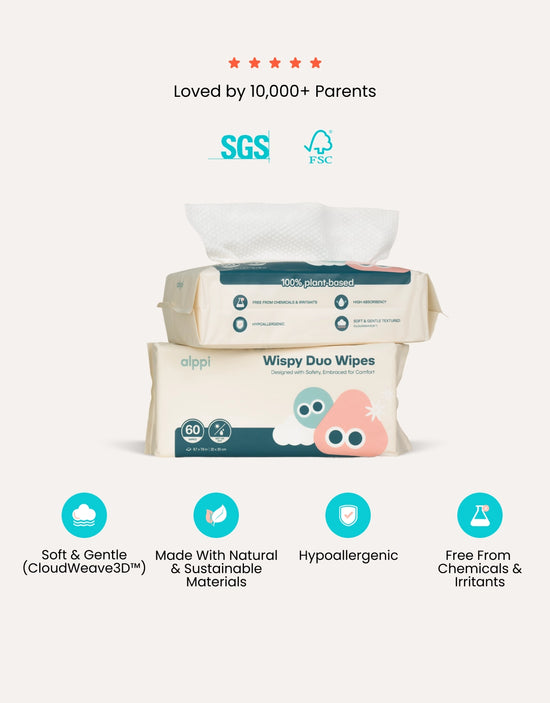
Wispy Duo Wipes (Dry)
Use wet or dry. Hypoallergenic and gentle, perfect for quick morning cleanups after a wet night.
Restocking Tip
If your toddler is in a consistent bedwetting phase, a diaper and wipes subscription can save last-minute store runs. Manage your delivery schedule anytime through your Alppi Baby subscription.
Natural Support for Toddler Bedwetting
Parents often search for natural remedies. The most effective approach focuses on strengthening habits rather than quick fixes.
- Encourage regular daytime bathroom breaks.
- Treat constipation early.
- Maintain a predictable sleep routine.
- Keep bedtime calm and low stress.
Vitamin deficiencies are rarely the root cause of toddler bedwetting. While overall nutrition matters, most children with bedwetting do not have a specific vitamin problem causing it.
Emotional Support for a Toddler Who Wets the Bed

A bedwetting toddler needs reassurance, not discipline. How you react shapes how they feel about themselves.
- Stay calm during cleanup.
- Avoid blame or shame.
- Praise effort, not just dry nights.
- Remind them their body is still growing.
Confidence plays a big role in helping children move through this stage smoothly.
Stock Up on Nighttime Essentials
Overnight diapers, training pants, and dry wipes: everything you need to get through a bedwetting phase calmly, delivered to your door on your schedule.
Shop Overnight DiapersWhy Parents Choose Alppi Baby for Nighttime Protection
At Alppi Baby, every product is designed with one goal: comfort that feels like a cloud, and peace of mind that lasts all night. Diapers, training pants, and wipes are hypoallergenic, dermatologist-tested, and made with eco-conscious production methods.
Parents come back because the products perform when it counts, with no leaks overnight and no irritation from harsh chemicals during a stretch of frequent changes. See the full standards on the Safety and Certifications page, or read what real families say on the Reviews page.
Extra Comfort for Sensitive Skin
Nighttime moisture and frequent changes can leave delicate skin extra sensitive. If irritation shows up, our Rash-Free Diapers are built specifically for that.

Alppi Rash-Free Diapers
Designed specifically for delicate skin, ideal for the extra overnight changes bedwetting can bring.


