


Potty training is a big milestone for your little girl. With the right timing, simple steps, and plenty of patience, this stage can be smoother than you expect.
If you are trying to figure out how to potty train a girl in a way that feels calm and manageable, you are already doing a great job by looking for the right information. Keep reading for practical tips, realistic timelines, and ways to make potty training a positive experience for your daughter.
- Most girls begin potty training between 18 months and 3 years old.
- Readiness signs matter more than age. Let her lead the way.
- Teaching girls to wipe front to back is essential for hygiene and infection prevention.
- Daytime and nighttime training are separate skills that develop at different speeds.
- Accidents are completely normal and are part of the learning process.
- Supportive routines and the right products make the transition easier on everyone.
When to Start Potty Training a Girl

Starting at the right time can make a huge difference in how smooth the process feels. Instead of fixating on a specific age, look for physical and emotional readiness cues. Rushing before she is ready often creates more resistance and extends the overall timeline.
Signs Your Toddler Girl Is Ready
Watch for several of these signals appearing together. One alone is rarely a reliable indicator.
- Stays dry for at least 2 hours - a sign her bladder control is developing.
- Tells you when she is peeing or about to go - body awareness is key.
- Hides to poop - she understands the sensation and wants privacy.
- Can pull pants up and down - physical independence makes training much easier.
- Follows simple two-step instructions - cognitive readiness matters too.
- Shows curiosity about the toilet - natural interest makes the transition smoother.
Typical Age Range for Girls
Every child develops at her own pace. Here is what is generally common across the potty training window.
| Age Range | What Is Typical | What to Expect |
|---|---|---|
| 18 to 24 months | Early interest begins | May sit on the potty with help; not yet consistently trained |
| 2 to 3 years | Active training phase | Most girls begin consistent potty training during this window |
| 3 to 4 years | Daytime trained | Many are fully dry by day; nighttime dryness still in progress |
Great for This Stage: Training Pants
Pull-up style training pants help her feel the difference between wet and dry, which is a critical part of building awareness. Alppi Training Pants are cloud-soft, hypoallergenic, and easy for little hands to manage independently.
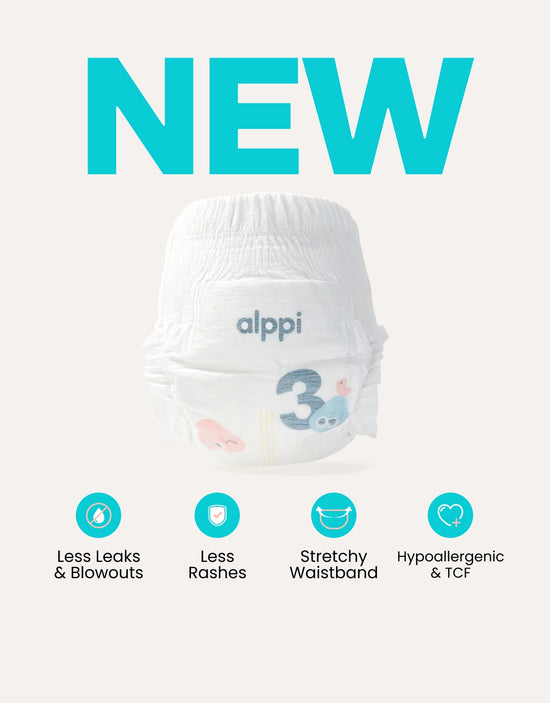
Training Pants Monthly Box
Best value for active training. A full month of cloud-soft pull-ups delivered to your door.

Training Pants Weekly Bag
Flexible weekly supply, ideal for the early training phase before committing to a larger order.

Training Pants Bundles
Stock up and save. Always have a fresh pair ready, because accidents happen when you least expect them.
Step-by-Step Plan for How to Potty Train a Girl
Having a clear plan helps both you and your daughter feel confident. Keep it simple, consistent, and celebratory. Small wins add up fast.
Set Up the Right Tools
Make the bathroom feel safe and accessible. You will need a small potty chair or seat insert, a step stool for stability, easy-to-remove clothing, training pants, and gentle wipes for cleanup. When her environment feels comfortable, she is far more likely to cooperate.
Teach Front-to-Back Wiping
Girls must learn to wipe from front to back to prevent urinary tract infections. Keep the explanation short and clear: "We wipe from front to back to keep your body clean and healthy." Practice together consistently, because this skill takes repetition to become second nature. Soft, durable dry wipes give little hands the grip and strength needed to do it properly every time.
Build a Simple Potty Routine
Toddlers thrive on predictability. Try sitting her on the potty first thing in the morning, after every meal, before naps, before bedtime, and every two hours during the day. If she does not go, that is completely fine. Praise the effort and move on without making it a big deal.
Use Positive Encouragement
Celebrate small wins with genuine enthusiasm. Clapping, sticker charts, or a warm hug all signal that she is doing great. Avoid any form of punishment for accidents, because pressure creates fear and almost always slows progress. A calm, supportive tone works far better than frustration.
Stay Calm During Accidents
Accidents are a completely normal part of learning bladder control. Respond with a calm voice, help her clean up, and remind her to try the potty next time. During naps or outings, breathable Wispy Cloud Diapers keep her comfortable during the transition without setting her back.
Wiping Tip
Thick dry wipes make front-to-back wiping easier for small hands learning the motion. They hold together during wiping so little ones can practice solo cleaning with confidence and without frustration.
Gentle Wipes Made for Potty Training
Soft enough for sensitive skin and strong enough to do the job properly. Hypoallergenic, alcohol-free, and dermatologist-tested for everyday use.
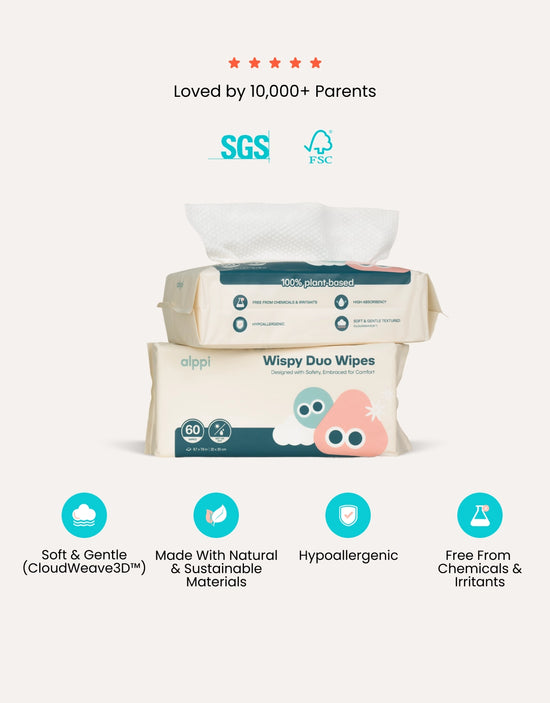
Wispy Duo Wipes (Dry)
Use wet or dry. Hypoallergenic, alcohol-free, and dermatologist-tested. Perfect for potty training and everyday cleanups at home or on the go.

Wispy Cloud Diaper Weekly Bag
A lighter weekly supply for daytime backup during training trips out of the house or on-the-go diaper changes.
Daytime vs. Nighttime Potty Training for Girls
Daytime and nighttime dryness develop at different speeds, and that is completely normal. It is perfectly fine for girls to master daytime training months before nighttime dryness reliably arrives.
Daytime Training Tips
Focus on consistency, awareness, and making the potty easy to access at all times. Dress her in elastic-waist bottoms she can pull down quickly on her own. Keep the potty in an accessible spot. Gently remind her to go rather than asking every five minutes. Before heading out, always have her use the toilet and pack extra clothes, wipes, and a backup diaper in your bag.
Nighttime Training: What to Expect
Nighttime dryness depends on bladder development and hormonal changes that naturally reduce urine production during sleep. Some children wake up dry within a few months of daytime training; others take considerably longer, and both timelines are completely normal.
| Training Phase | Key Focus | What Helps |
|---|---|---|
| Daytime | Routine and awareness | Regular potty trips, elastic waistbands, accessible potty |
| Nighttime | Physical development | Limit drinks before bed, use absorbent overnight diapers |
| On the go | Preparedness | Pack extra clothes, wipes, and a backup diaper |
To support nighttime training: limit drinks close to bedtime, have her use the potty right before sleep, and use a mattress protector. Until she consistently wakes up dry, absorbent and breathable overnight diapers offer the comfort that lets her sleep peacefully without leaks.
Overnight Comfort While She Keeps Learning
Reliable leak-free protection at night means better sleep for your daughter and for you.

Wispy Cloud Diaper Monthly Box
Cloud-soft, leak-free overnight protection. Perfect for girls still working on nighttime dryness.

Wispy Cloud Diaper Bundles
Stock up and save. Great for families mid-training who still need reliable nighttime coverage.
Common Challenges and How to Handle Them

Even when you know exactly how to potty train a girl, bumps in the road happen. Staying calm and flexible is the most important tool you have.
Potty Refusal
If your daughter refuses to sit on the potty, check that her feet are fully supported because dangling feet can create anxiety. Let her decorate the potty with stickers, or read books about using the toilet together. Taking a short break sometimes removes pressure and resets the mood far more effectively than pushing through.
Constipation During Training
Some girls hold in poop because they feel nervous or uncertain about the toilet. Encourage fiber-rich foods like fruits and vegetables, and keep her well hydrated throughout the day. If constipation continues or causes discomfort, speak with your pediatrician before trying to push through it.
Regression After Progress
Regression is common after big life changes like a new sibling, starting daycare, or moving homes. Go back to basics, reinforce the routine, and offer extra reassurance. Most regressions resolve within a few weeks when approached calmly and consistently.
Contact Your Pediatrician If You Notice
- Pain or crying when urinating
- Repeated urinary tract infections
- Severe constipation or painful bowel movements
- Intense, prolonged fear of the toilet
- Long-lasting regression with no signs of improvement
- Unusual changes in urination frequency or color
Hygiene and Healthy Habits for Girls
Potty training is the perfect time to build lifelong hygiene habits. Simple lessons learned now can prevent infections and complications later. Focus on these four non-negotiables from day one.
| Habit | Why It Matters | How to Teach It |
|---|---|---|
| Wipe front to back | Prevents urinary tract infections | Say it each time: "We always wipe front to back" |
| Flush after use | Builds good bathroom etiquette | Make flushing a fun part of the routine |
| Wash hands with soap | Removes bacteria and prevents illness | Sing a 20-second song while washing |
| Keep underwear dry | Prevents moisture-related irritation | Check in regularly until she communicates wetness reliably |
Keeping a pack of dry wipes in the bathroom makes self-wiping much easier for small hands still learning the motion. They are thick enough not to tear mid-wipe, which is exactly what she needs when practicing solo wiping for the first time.
How Long Does It Take to Fully Potty Train a Girl?
Some girls catch on within a few weeks; others take several months, and both timelines are completely normal. Being fully trained usually means staying dry during the day and consistently communicating when she needs to go. Nighttime dryness often lags behind because it depends on physical development that cannot be rushed.
Progress is rarely a perfectly straight line. Small improvements compound over time, and every successful trip to the potty is a genuine win worth celebrating. Consistency matters far more than speed.
Progress Tip
Track her wins visually with a sticker chart on the bathroom wall. Seeing her own progress builds confidence and motivation. Even partial successes like sitting on the potty without going deserve a sticker.
Do's and Don'ts for Smooth Potty Training
Keeping things simple helps everyone stay calm. Here is what works and what almost never does.
| Do | Don't |
|---|---|
| Follow her readiness cues, not the calendar | Compare her progress to other children |
| Keep routines consistent and predictable | Shame or punish accidents |
| Celebrate every effort, not just every success | Force long, stressful potty sessions |
| Stay patient and keep your voice calm | Rush the process before she is ready |
| Use breathable, quality products during training | Skip nighttime protection before she is reliably dry |
Stock Up on Potty Training Essentials
Training pants, dry wipes, and overnight diapers. Everything you need to support your daughter's milestone, delivered to your door on your schedule.
Manage Your SubscriptionWhy Parents Choose Alppi Baby for Potty Training
At Alppi Baby, every product is designed with one goal: giving your baby comfort that feels like a cloud, and giving you peace of mind that lasts all day. Their diapers, training pants, and wipes are hypoallergenic, dermatologist-tested, and made with eco-conscious production methods, so you can feel good about what touches your little one's skin.
Parents love Alppi Baby because the products perform when it counts. No leaks during the night, no irritation from harsh chemicals, and no fighting to get pants up and down during those urgent moments. Learn more about their standards on the Safety and Certifications page or read what real families say on the Reviews page.
Not Sure Where to Start?
Try before you commit, or gift the perfect bundle for a family celebrating a potty training milestone.

Alppi Newborn Special
A thoughtfully curated starter set, perfect for gifting or beginning your Alppi journey with confidence.

Alppi Rash-Free Diapers
Designed specifically for delicate skin, ideal for frequent changes during the early and active phases of training.


