


Training pants bridge the gap between diapers and real underwear. Understanding how they work and when to use them can make potty training feel far more manageable.
Potty training is one of those big parenting milestones that feels exciting and a little overwhelming at the same time. One day you are changing diapers constantly, and the next you are thinking about potty charts and tiny underwear. If you have been wondering what training pants are and whether your toddler actually needs them, keep reading to find out how they work, when to use them, and how to choose the right pair for your child.
- Training pants are absorbent underwear designed to help toddlers transition from diapers to regular underwear.
- They catch small accidents but still let kids feel when they are wet, which is essential for learning.
- Training pants support independence because toddlers can pull them up and down on their own.
- They are best used during the active potty training stage, not as a long-term diaper replacement.
- Pairing training pants with reliable overnight diapers and gentle wipes makes the full transition easier for everyone.
What Are Training Pants?

Training pants are special underwear made for toddlers who are learning to use the toilet. They are more absorbent than regular underwear but generally less absorbent than diapers, depending on the brand and style. Parents use them to bridge the gap between full diaper protection and standard underwear, helping toddlers notice when they are wet without causing a completely soaked outfit every time an accident happens.
- Pull-up style design - works exactly like real underwear so toddlers can manage them independently.
- Soft, stretchy waistbands - comfortable for active toddlers who are constantly moving.
- Light absorbency layer - catches small accidents without fully concealing the wet sensation.
- Moisture barrier - helps protect clothing from minor leaks during early training days.
- Easy pull up and down - supports the independence that makes potty training feel like an achievement.
Training pants are most commonly used during daytime potty training. Many families continue using diapers overnight until their child stays dry consistently through the night, which is a separate developmental milestone.
How Do Training Pants Work During Potty Training?
Training pants work by combining light absorbency with a real underwear feel. They are specifically designed to catch small amounts of pee without fully hiding the wet sensation. That slight feeling of wetness is intentional and important, because it teaches toddlers to connect the urge to go with the action of using the toilet. Pediatric experts often highlight body awareness as one of the most important parts of the learning process.
What Is Inside a Training Pant
Thin absorbent layer
Catches small accidents without masking the sensation entirely. Keeps toddlers aware that something happened.
Moisture barrier
Protects outer clothing from minor leaks so accidents do not immediately result in a full outfit change.
Stretchy sides
Allows quick and independent pulling up and down, which is essential for building confidence at the potty.
Tear-away seams
Found on some styles, making cleanup easier after larger accidents without pulling soiled clothing down the legs.
Unlike diapers, training pants are not meant for extended periods of heavy wetting. If your toddler fully empties their bladder, a clothing change is likely. That is part of the learning process and is completely expected during early training.
Training Pants vs. Diapers: Key Differences
Training pants and diapers might look similar from the outside, but they are designed for entirely different purposes. Diapers focus on maximum absorbency and keeping babies dry. Training pants focus on the learning process and building awareness.
| Feature | Diapers | Training Pants |
|---|---|---|
| Absorbency | High, designed to hold a full bladder release | Light to moderate, for small accidents only |
| Wet sensation | Keeps baby very dry, sensation is mostly hidden | Allows some wet feeling to encourage awareness |
| Design | Tab fasteners on the sides for adult-managed changes | Pull-up style for toddler independence |
| Primary purpose | Full-time everyday protection from birth | Active potty training transition period |
| Best time to use | Before training begins and overnight during training | During daytime potty training practice |
If your toddler is just starting potty training, many parents use training pants during the day and keep reliable overnight diapers for nighttime protection while daytime skills are still building.
Overnight Diapers While Daytime Training Progresses
Most toddlers still need overnight diaper protection long after daytime training is going well. Breathable, absorbent diapers reduce disruption and keep skin comfortable through the night. Alppi Wispy Cloud Diapers are soft, hypoallergenic, and made for toddlers in every stage of the training journey.

Wispy Cloud Diaper Monthly Box
Cloud-soft overnight protection for toddlers in active daytime training who still need reliable nighttime coverage.

Wispy Cloud Diaper Bundles
Stock up and save. A smart choice for the training period when your toddler still needs consistent nighttime backup.
Training Pants vs. Regular Underwear

Regular underwear offers zero protection against accidents. Training pants provide a crucial middle step that makes the move to full underwear feel achievable rather than sudden.
| Feature | Regular Underwear | Training Pants |
|---|---|---|
| Absorbency | None at all | Light to moderate depending on the brand and style |
| Wet feeling | Immediate and strong, nothing is absorbed | Slight but noticeable, balances awareness with some protection |
| Accident cleanup | Full clothing change needed every time | May prevent soaked outer clothing for minor accidents |
| Best for | Fully potty-trained children with reliable control | Children actively learning to use the potty |
Some parents move straight to regular underwear once their toddler shows very strong readiness signs and can communicate needs reliably. Others prefer training pants for outings, daycare, or less predictable days to reduce stress for everyone involved.
Transition Tip
Keep gentle dry wipes within easy reach of the potty and in your bag for outings. Soft, fragrance-free wipes make quick cleanups calm and fast without irritating sensitive skin during a period when wiping happens frequently.
Types of Training Pants for Toddlers
There are two main categories of training pants, and the right choice depends on your family's lifestyle, your toddler's sensitivity to wetness, and how much laundry you want to manage.
Disposable Training Pants
Disposable training pants are thrown away after use, exactly like diapers. They are convenient and easy for busy families with unpredictable schedules. They are particularly useful for travel days, daycare or preschool, long outings away from home, and situations where quick and simple cleanup matters most. If you already keep diapers stocked at home, adding disposable training pants to the rotation is a straightforward transition.
Reusable Cloth Training Pants
Cloth training pants are washable and reusable. They generally feel more like real underwear and tend to be thicker than standard cotton briefs, making them good for toddlers who need a clearer wet sensation to reinforce learning. Parents choose cloth options to reduce environmental waste, save money across multiple uses, and encourage stronger awareness of wetness. You will need several pairs in rotation since early training days typically involve multiple accidents.
When to Introduce Training Pants
Introducing training pants at the right moment makes a meaningful difference in how smoothly the transition goes. They work best when your child is already showing genuine readiness signs rather than being used to create readiness that is not there yet.
Watch for staying dry for 2 hours or longer
Longer dry periods show that bladder muscles are developing the capacity to hold urine rather than releasing it immediately. This is one of the strongest physical readiness signals for beginning training pants use.
Listen for communication about bathroom needs
When your toddler begins telling you before or right after they go, even if only occasionally, it signals growing body awareness. This connection between sensation and language is what makes training pants effective rather than just a different style of diaper.
Watch for interest in the toilet and in underwear
Following parents to the bathroom, asking questions about the toilet, or expressing a desire to wear big-kid underwear are all behavioral signs that your toddler is emotionally motivated to try. Motivation is a significant predictor of how quickly training pants work.
Confirm they can pull pants up and down independently
If your toddler cannot yet manage their own clothing, training pants cannot do their job. Practice pulling pants up and down during play before starting training to build the physical skill in a low-pressure context.
Most toddlers begin potty training between ages 2 and 3, though readiness can appear as early as 18 months or later depending entirely on the individual child. Nighttime dryness typically happens well after daytime training is established.
Alppi Training Pants: Built for the Transition
Alppi Training Pants pull up and down like real underwear so your toddler feels the independence of big-kid clothing while still having a protective layer as they build confidence and consistency at the potty.
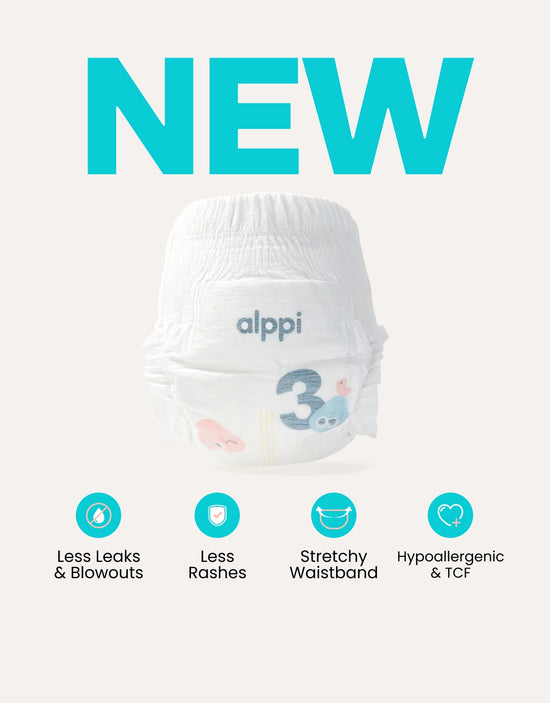
Training Pants Monthly Box
Best value for the full active training period. Cloud-soft pull-ups that feel like underwear and support the learning process every day.

Training Pants Weekly Bag
Flexible weekly supply. A practical option for testing the transition before committing to a larger order.

Training Pants Bundles
Stock up and save through the whole training window. Always have a fresh pair ready because accidents do not follow a schedule.
Benefits of Using Training Pants During Potty Training
Training pants offer both emotional and practical benefits that go beyond simply catching accidents. When chosen and used well, they make the entire transition smoother for toddlers and parents alike.
- Encouraging independence - pull-up style lets toddlers manage bathroom trips on their own, which builds genuine confidence.
- Building body awareness - the slight wet sensation teaches the brain-bladder connection that makes potty training actually work.
- Reducing large messes - minor accidents stay contained enough to avoid a full clothing change every single time.
- Supporting consistent routines - wearing underwear-style pants reinforces that potty training is the new normal.
- Making outings less stressful - small accidents are less likely to soak through clothing, making trips to the park or shops more manageable.
Limitations of Training Pants Parents Should Know

Training pants are genuinely helpful, but they are not leak-proof and they are not a long-term solution. Having realistic expectations keeps frustration low when things do not go perfectly.
Keep These Limitations in Mind
- They may leak during full bladder accidents, especially as toddlers grow and bladder capacity increases.
- Some toddlers treat overly absorbent training pants like diapers and stop noticing wetness altogether.
- Nighttime dryness develops separately and takes considerably longer for most children.
- If your child is soaking through training pants frequently, more regular potty trips or temporary diapers may be needed.
How to Choose the Right Training Pants for Your Child
The right fit and absorbency level makes a significant difference in both comfort and effectiveness. Every child is different, and some trial and error is completely normal when finding the pair that works best for your toddler's body and training stage.
| What to Consider | Why It Matters |
|---|---|
| Proper size by weight and body shape | A poor fit causes leaks and discomfort that disrupts the training routine |
| Soft, breathable materials | Toddlers wear training pants for hours; skin irritation from rough fabric derails progress |
| Snug but comfortable waistband | Needs to stay up independently but not leave marks or restrict movement |
| Absorbency level for current stage | Too absorbent reduces body awareness; too little means constant full outfit changes |
| Easy pull up and down | If it is too hard to manage, your toddler will not try to do it independently |
Complete the Training Kit with Wipes and Starter Essentials
Gentle wipes for cleanup and a starter diaper set round out everything you need for the transition period. Having the right supplies stocked at home means one less thing to worry about during a big milestone.
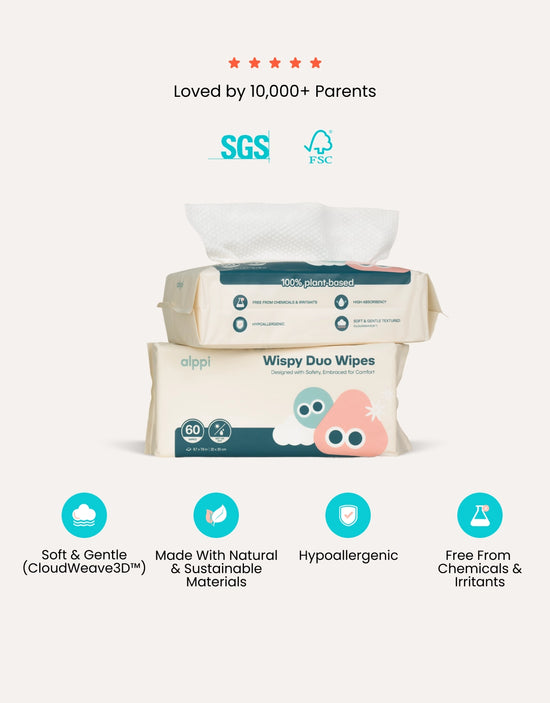
Wispy Duo Wipes (Dry)
Use wet or dry. Hypoallergenic, alcohol-free, and dermatologist-tested. Gentle enough for the frequent cleanups that come with active potty training.

Alppi Newborn Special
A thoughtfully curated starter set. A great way to try Alppi Baby products for the first time or gift a family beginning their training journey.
Stay Prepared Through Every Stage of Training
Training pants, overnight diapers, and gentle wipes. Everything you need to move through potty training calmly, delivered to your door on your schedule.
Manage Your SubscriptionWhy Parents Choose Alppi Baby During Potty Training
At Alppi Baby, every product is designed to give your child comfort that feels like a cloud and give you peace of mind through every stage of early childhood. Diapers, training pants, and wipes are hypoallergenic, dermatologist-tested, and made with eco-conscious materials, so you feel good about what touches your toddler's skin every single day.
See what goes into every product on the Safety and Certifications page, or read what real families think on the Reviews page.
Also Consider for Nighttime and Sensitive Skin

Alppi Rash-Free Diapers
Designed for delicate skin. Ideal for nighttime use when toddlers wear a diaper for longer uninterrupted stretches during training.

Wispy Cloud Diaper Weekly Bag
A flexible weekly supply that is easy to adjust as nighttime diaper needs gradually decrease through the training period.


