


Potty training boys is a big milestone for both of you. One week you're packing wipes and extra diapers, and the next you're cheering because he used the potty on his own for the first time.
These potty training tips cover exactly what to expect: readiness signs, a simple step-by-step routine, how to handle aim and hygiene once he starts standing, and what a realistic timeline looks like from first attempts to full nighttime dryness.
- Most boys are ready between 18 months and 3 years old, but readiness signs matter more than age.
- Start sitting down before teaching him to stand and aim.
- Consistency and calm reactions matter more than speed.
- Nighttime dryness typically arrives later than daytime training.
- Gentle, high-quality training pants, diapers, and wipes make the whole transition easier.
When to Start Potty Training Boys

The right timing makes potty training boys much easier. Starting when your child shows readiness signs, instead of on a fixed birthday, reduces frustration for both of you.
Most boys begin showing readiness signs between 18 and 36 months, with many starting active toilet training closer to ages 2 and 3. Instead of focusing only on age, look for these signs.
Signs of Potty Training Readiness in Boys
| Physical Signs | Emotional Signs | Communication Signs |
|---|---|---|
| Stays dry for 2 hours | Shows interest in the toilet | Can say when he needs to go |
| Wakes up dry from naps | Wants to be more independent | Follows simple instructions |
| Regular bowel movements | Dislikes dirty diapers | Understands basic routines |
If your 3 year old is not potty trained yet, that can still be normal. Some boys simply need more time to build bladder control and confidence.
Red Flags During Potty Training Boys
While accidents are expected, certain signs need attention.
- Extreme fear of sitting on the toilet
- Pain while peeing or pooping
- Severe constipation
- No progress after consistent effort for weeks
If you notice these, talk with your pediatrician before continuing to train your boy to use the potty. For a size-by-size breakdown of when to size up in training pants during this stage, the Alppi Baby sizing guide is a handy reference to keep nearby.
Preparing for Potty Training Boys
Preparation helps avoid confusion once you begin. A comfortable setup encourages independence and confidence.
- A child-sized potty chair or toilet seat insert.
- A step stool for climbing up safely.
- Easy pull-down pants and training underwear.
- Gentle wipes for quick, comfortable cleanup.
During the early stages, many parents still use diapers for naps and overnight. Soft, breathable options can help prevent leaks and keep your child comfortable while daytime potty training improves.
Pull-Ups vs Underwear During Potty Training Boys
Choosing between pull-ups and underwear affects progress. Here is a simple comparison.
| Pull-Ups | Underwear |
|---|---|
| Feel similar to diapers | Feel different from diapers |
| Helpful for naps or outings | Best for daytime training |
| May delay urgency awareness | Encourages body awareness |
For faster daytime results, underwear is usually more effective. Save pull-ups for sleep if needed. Alppi Training Pants feel closer to real underwear than a diaper, which helps him actually notice when he's wet.
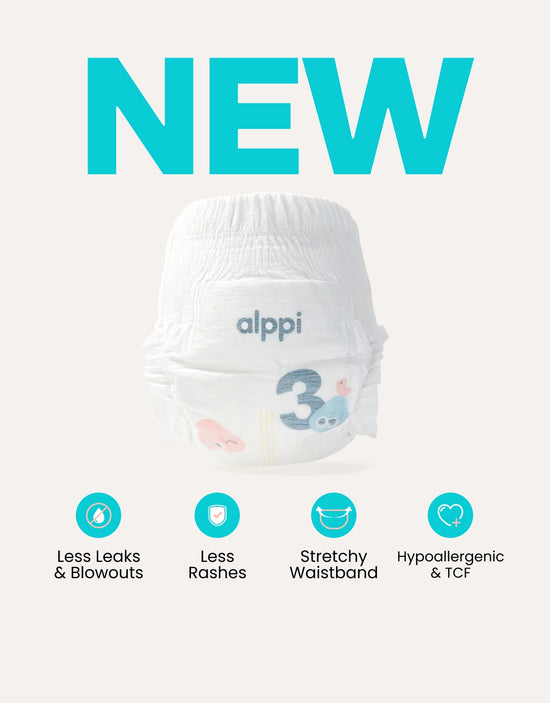
Training Pants Monthly Box
Best value for active training, with a full month of cloud-soft pull-ups delivered to your door.

Training Pants Weekly Bag
A flexible weekly supply, ideal for the early training phase before committing to a larger order.

Training Pants Bundles
Stock up and save, so you always have a fresh pair ready since accidents happen when you least expect them.
How to Potty Train a Boy Step by Step
When learning how to potty train a boy, simple routines work best. Boys respond well to repetition and clear expectations.
Start With Sitting Down
Even though boys eventually stand, start by teaching them to sit. This helps them master both peeing and pooping without confusion, means less mess, better bladder emptying, and builds early confidence. Once he consistently succeeds, you can introduce standing and aiming.
Set a Predictable Potty Schedule
Routine creates success in potty training boys. Instead of constantly asking, guide him at natural times: right after waking up, after meals, before leaving the house, and before bedtime. Keep each visit calm and short, and if nothing happens, try again later.
Teach Aim and Hygiene
When your child is ready to stand, make it engaging; floating targets in the toilet can help boys practice aim. Also teach him to shake gently after peeing, pull up underwear fully, and wash hands every time. Soft dry wipes are helpful and gentle on sensitive skin while he's still learning to wipe on his own.
Handle Accidents Calmly
Accidents are part of toilet training boys, and the goal is progress, not perfection. Stay calm, say "next time we'll try the potty," and involve him in simple cleanup. Avoid punishment or shame; confidence builds success.
Cleanup Tip
Soft, thick dry wipes hold together better than thin wet wipes, which matters once he starts practicing wiping and cleanup on his own. Keep a pack within arm's reach of the potty.
Gentle Wipes and Backup Diapers Made for This Stage
Hypoallergenic, alcohol-free, and dermatologist-tested for everyday use, since accidents happen most in the early days.
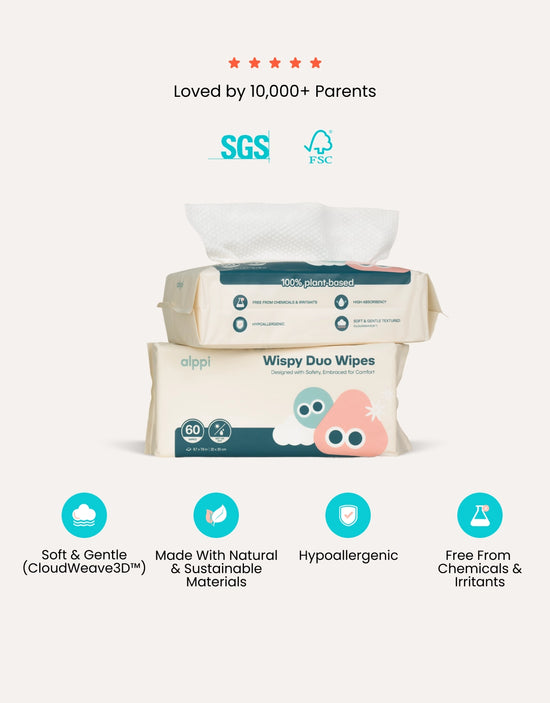
Wispy Duo Wipes (Dry)
Use wet or dry. Hypoallergenic, alcohol-free, and dermatologist-tested, ideal for potty training and everyday cleanups on the go.

Wispy Cloud Diaper Weekly Bag
A lighter weekly supply for naps, outings, and on-the-go backup while he's still learning.
The Fastest Way to Succeed With Potty Training Boys

Many parents want quick results. Some children respond well to a focused three-day approach, but readiness is what truly determines speed.
| Factor | Why It Matters |
|---|---|
| Clear readiness signs | Reduces resistance |
| Staying home for a few days | Allows consistency |
| Using underwear during the day | Builds body awareness |
| Calm encouragement | Prevents power struggles |
Consistency matters more than rushing. These potty training tips for boys work best when the focus stays on routine and patience rather than pressure. Since some parts of the process look a little different by gender, our companion guide on how to potty train a girl is worth a look if you're training siblings at the same time.
Common Challenges in Potty Training Boys
Every child faces bumps along the way. Knowing what is normal helps you stay calm and confident.
Resistance and Power Struggles
If your child refuses to use the potty, avoid turning it into a battle. Giving simple choices can help: which potty seat to use, which underwear to wear, or whether to read a short book while sitting. When a boy resists, control battles often slow progress more than the resistance itself.
Pooping Problems During Toilet Training Boys
Some boys pee in the potty but refuse to poop, which often connects to fear or constipation. Offer fiber-rich foods, encourage sitting after meals, and celebrate small successes. If constipation continues, consult your pediatrician.
Regression After Progress
Life changes can cause setbacks. A new sibling, travel, or starting daycare may lead to temporary accidents. Return to basic routines and offer extra reassurance; most regressions resolve with patience. If a setback lines up with a bigger developmental shift, our guide on the terrible twos covers why big feelings tend to show up right when independence, like potty training, is being asked of them.
Nighttime Potty Training Boys
Night dryness develops later because it depends on hormones and bladder growth. Many boys stay dry during the day long before nights improve, and bedwetting can still be normal up to age 5 and sometimes older, depending on development.
Signs Your Child May Be Ready for Night Training
- Wakes up dry several mornings in a row.
- Stays dry during naps.
- Shows strong daytime control.
Until then, use absorbent nighttime diapers. Many parents prefer eco-friendly options for overnight protection and comfort.
Overnight Comfort While He Keeps Learning

Wispy Cloud Diaper Monthly Box
Cloud-soft, leak-free overnight protection, perfect for boys still working on nighttime dryness.

Wispy Cloud Diaper Bundles
Stock up and save, great for families mid-training who still need reliable nighttime coverage.
Age Expectations for Potty Training Boys
Each age brings different expectations. Adjust your approach based on maturity level.
| Age | What to Expect |
|---|---|
| 2 Years Old | Early exposure, playful practice |
| 3 Years Old | Most common training age, steady progress |
| 4 Years Old | Stronger communication and independence |
| 7 Years Old | Daytime training should be complete; seek medical advice if not |
If a child is 7 and not potty trained, consult a healthcare provider to rule out underlying concerns.
Are Boys Harder to Potty Train?
Some parents feel potty training boys takes longer than girls. Boys can be more physically active and easily distracted, but they are not necessarily harder to train. With consistent routines and supportive tools, most learn successfully within a normal timeframe.
Stock Up on Potty Training Essentials
Training pants, dry wipes, and overnight diapers: everything you need to support this milestone, delivered to your door on your schedule.
Shop DiapersWhy Parents Choose Alppi Baby for Potty Training Boys
At Alppi Baby, every product is designed with one goal: comfort that feels like a cloud, and peace of mind that lasts all day. Diapers, training pants, and wipes are hypoallergenic, dermatologist-tested, and made with eco-conscious production methods.
Parents come back because the products perform when it counts: no leaks overnight, no irritation from harsh chemicals, and no fighting to get pants up and down during those urgent moments. See the full standards on the Safety and Certifications page, or read what real families say on the Reviews page. You can also manage delivery cadence anytime through your Alppi Baby subscription.
Extra Comfort for Sensitive Skin
Frequent changes during active training can leave delicate skin extra sensitive. If irritation shows up, our Rash-Free Diapers are built specifically for that.

Alppi Rash-Free Diapers
Designed specifically for delicate skin, ideal for the frequent changes that come with active potty training.


