


Newborns are tiny, delicate, and surprisingly slippery, so it's completely normal for that first bath to feel a little nerve-wracking.
Learning how to bathe a newborn gets much easier once you know the basics and have a simple routine in place. With a calm approach and the right steps, bath time can become one of the sweetest bonding moments in your daily newborn care routine. Below is exactly how to do it safely and confidently, from that very first sponge bath to your baby's first time in the tub.
- Bathe a newborn just 2 to 3 times a week to protect their sensitive skin.
- Sponge baths are best until the umbilical cord stump falls off.
- Always keep one hand on your baby for safety throughout bath time.
- Warm water and gentle, fragrance-free products help prevent dryness and irritation.
- A simple, predictable routine makes bath time easier for both of you.
Understanding How to Bathe a Newborn Safely

Learning how to bathe a newborn starts with knowing what makes them different from older babies. Their skin is thinner and more sensitive, so a gentle approach matters more than a long or thorough scrub.
Newborns don't need long or frequent baths. What matters most is keeping them clean, warm, and comfortable while avoiding anything that could irritate their skin.
Sponge Bath vs. Tub Bath
| Method | When to Use | What It Focuses On |
|---|---|---|
| Sponge bath | Before the umbilical cord stump falls off | Gentle cleaning without soaking the cord area |
| Tub bath | Once the cord area is fully healed | Keeping baby warm while supporting head and neck |
When to Start Bathing a Newborn
Timing matters when it comes to that very first bath. Waiting a little while helps protect your baby's natural skin barrier before you introduce water and soap.
Most experts recommend delaying the first bath for at least 24 hours after birth. After that, you can begin gentle sponge baths as needed.
Signs Your Newborn Is Ready for a Bath
- Your baby is stable, warm, and feeding well
- The umbilical cord area looks dry and is healing normally
- Your baby is calm and not overly fussy
How Often to Bathe a Newborn Without Drying Their Skin
Many parents assume newborns need daily baths, but that's not necessary, and bathing too often can actually dry out delicate skin. Bathing your newborn 2 to 3 times a week is enough.
Daily Cleaning Between Baths
On non-bath days, simply wipe the face and neck gently with a soft cloth, and clean the diaper area thoroughly during changes. Gentle, fragrance-free wipes make this quick cleanup easy on sensitive skin.
Preparing for Bath Time
A smooth bath starts with having everything ready before you begin, so you can stay focused on your baby the entire time.
Set up your space in a warm, draft-free room, and keep every supply within reach so you never have to step away, even for a second.
Baby Bath Essentials Checklist
- A small baby tub, sink, or basin
- Soft washcloths and a hooded towel
- Mild baby soap and shampoo
- A clean diaper and fresh clothes
- Gentle wipes for quick cleanup before or after the bath
Ideal Water Temperature
Aim for warm water around 100°F (37 to 38°C), and test it with your wrist or elbow to make sure it isn't too hot before your baby goes in. Fill the tub with just a few inches of water.
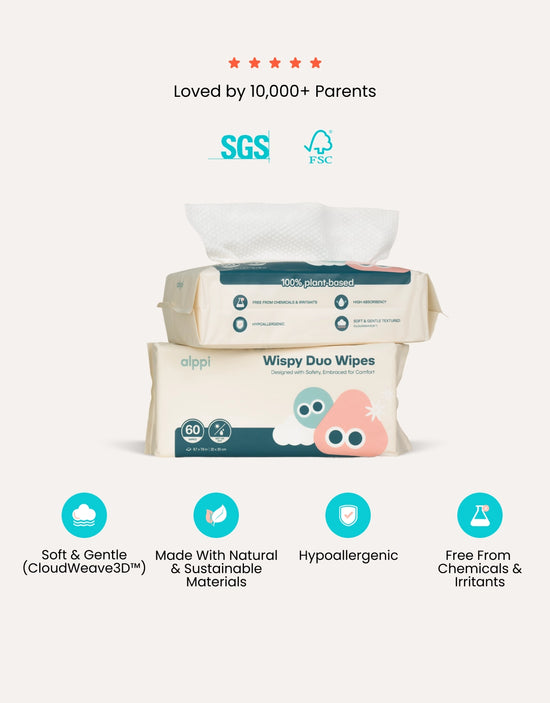
Wispy Duo Wipes (Dry)
Use wet or dry for face, neck, and quick cleanups before or after bath time. Hypoallergenic and dermatologist-tested.

Wispy Cloud Diaper Weekly Bag
A lighter weekly supply of breathable diapers, ready for the fresh change that follows every bath.

Wispy Cloud Diaper Monthly Box
A full month of cloud-soft, breathable diapers to keep post-bath comfort simple all month long.
How to Bathe a Newborn Step by Step (Sponge Bath Method)

Sponge baths are the safest way to clean your baby before the umbilical cord falls off. The goal is to keep your baby clean while avoiding soaking the cord area, so take your time and uncover only the part you're washing.
- Lay your baby on a soft, flat surface
- Keep them wrapped in a warm towel throughout
- Gently clean the face with plain water
- Wash the neck, arms, and body using a damp cloth
- Clean the diaper area last
- Pat dry carefully, especially in skin folds
How to Bathe a Newborn in a Tub
Once the umbilical cord has fallen off, you can switch to a tub bath, which is when bath time often starts to feel more fun and interactive. Even so, safety and gentle handling stay the top priority.
- Fill the tub with a small amount of warm water
- Slowly lower your baby into the water feet first
- Support their head and neck at all times
- Use your free hand to gently wash their body
- Rinse with a cup of water instead of pouring directly
- Use a mild, fragrance-free baby soap and skip bubble baths
Washing Hair and Reducing Cradle Cap
Use a small amount of mild shampoo and gently massage the scalp with your fingers, rinsing carefully to keep soap away from the eyes. Regular, gentle washing can also help reduce cradle cap buildup over time.
Timing and Routine for Newborn Baths
Choosing the right time can make a big difference in how your baby responds. A calm, predictable routine helps your baby feel secure, whether they end up loving evening baths as part of a bedtime wind-down or do better earlier in the day.
- Bathe your baby when they're calm and not too hungry
- Wait a little after feeding to avoid spit-up
- Pick a time when you aren't rushed
Common Mistakes When Learning How to Bathe a Newborn
Small mistakes can make bath time stressful, but they're easy to avoid once you know what to watch for.
- Using water that's too hot or too cold
- Leaving your baby unattended, even for a second
- Overbathing and drying out their skin
- Using too many products at once
- Not supporting the head and neck properly
Quick Reference: Getting the Basics Right
| Guideline | Recommendation |
|---|---|
| Water temperature | 100°F (37 to 38°C), tested on your wrist or elbow |
| Bath length | 5 to 10 minutes |
| Bath frequency | 2 to 3 times per week |
After the Bath: Drying and Skin Care
What you do after the bath matters just as much as the bath itself. Be gentle and move quickly so your baby doesn't get cold.
- Pat your baby dry instead of rubbing
- Pay close attention to folds like the neck and thighs
- Use a gentle moisturizer if needed
- Put on a clean diaper and soft clothes right away
Soft, breathable diapers help keep your baby comfortable right after bath time, and if bath time is part of your bedtime routine, a cozy, breathable sleep sack rounds out the wind-down nicely.

Premium Bamboo Sleep Sack
Breathable bamboo viscose that's perfect for a warm, cozy finish to a bath-time bedtime routine.

Alppi Newborn Special
A newborn-sized bundle with soft hook tabs, perfect for the sponge-bath stage before the umbilical cord falls off.
Practical Tips to Make Bath Time Easier
Bathing a newborn gets easier with practice, and a few simple tricks go a long way. You can absolutely bathe your newborn on your own once you feel confident and have everything set up.
Simple Ways to Reduce Stress
Keep a firm but gentle hold on your baby, talk or sing softly during the bath, and keep things short and sweet. Confidence builds fast with a little regular practice.
Why Parents Trust Alppi Baby for Bath-Time and Beyond
Every Alppi Baby product is built around comfort that feels like a cloud, with peace of mind for parents handling delicate newborn skin every day. Diapers and wipes are hypoallergenic, dermatologist-tested, and free from fragrances and harsh chemicals.
You can see the full testing standards on our Safety and Certifications page, or read what other parents are saying on our Reviews page.
Round Out Bath Time With Gentle Everyday Essentials
Soft wipes, breathable diapers, and cozy sleep sacks, everything you need for a calm bath time and an even calmer bedtime.
Explore Alppi Baby


