


Learning how to baby proof a house helps create safer space for crawling and exploration. This room-by-room guide covers the main hazards, what to buy, and what still requires close supervision.
- Begin baby proofing before rolling, crawling, pulling up, or climbing starts.
- Anchor televisions and furniture instead of trusting weight or placement.
- Use hardware-mounted gates at the top of stairs and approved gates at the bottom.
- Lock medicines, cleaners, batteries, magnets, sharp tools, and choking hazards away.
- Recheck the home whenever your child learns a new movement skill.
Start Baby Proofing Before Your Baby Moves

Begin before your baby can roll or crawl because new skills can appear quickly. A safe setup should stay one step ahead of what your child can do today.
Walk through each room, then repeat the check on your hands and knees. This lower view reveals reachable cords, sharp corners, dropped objects, unstable furniture, outlets, and gaps that adults often miss.
- List every room your child may enter, including balconies, hallways, and garages.
- Remove hazards before buying safety devices.
- Block access to areas that cannot be made safe.
- Install products exactly as their instructions require.
- Test each lock, gate, anchor, alarm, and window guard.
- Repeat the check monthly and after any home change.
UNICEF’s babyproofing guidance stresses managing the environment instead of relying on supervision alone. Adults can become distracted or step away for seconds.
How to Baby Proof Each Room
Prioritize risks that can cause severe harm, then handle smaller bumps and pinches. The table below gives each room a clear first task.
| Area | Main Hazards | First Safety Actions |
|---|---|---|
| Living room | Furniture tip-overs, cords, outlets, fireplaces, choking objects | Anchor furniture and TV, secure cords, cover outlets, add a fireplace barrier, clear low surfaces |
| Kitchen | Burns, knives, cleaners, appliances, plastic bags | Lock dangerous cabinets, use back burners, turn handles inward, unplug small appliances |
| Bathroom | Drowning, hot water, medicines, razors, toilets | Use direct adult supervision, lock storage, set a safe water temperature, keep toilet lid closed |
| Nursery | Unsafe sleep items, cords, climbing, changing-table falls | Keep crib bare, move cords away, anchor furniture, lower crib mattress as directed |
| Stairs and halls | Falls, loose rugs, rail gaps, clutter | Install approved gates, secure rugs, improve lighting, keep paths clear |
| Laundry and garage | Detergent, tools, chemicals, vehicles, buckets | Lock doors and cabinets, keep products original and labeled, empty water containers |
| Outdoor areas | Pools, gates, grills, plants, tools | Use proper pool barriers, lock exits, cool grills fully, remove toxic plants |
Anchor Furniture and Televisions
Secure dressers, bookcases, changing units, cabinets, and televisions to the wall. Heavy furniture can tip when a child pulls, climbs, or opens drawers.
Use the manufacturer’s anchor kit or hardware suited to the furniture and wall type. Screws must reach solid framing or an appropriate wall anchor. Do not assume a low, wide, or heavy item cannot tip.
Place televisions on stable furniture designed for their size and anchor both pieces. Keep remote controls, toys, and snacks off furniture so children are not tempted to climb.
Make Stairs and Windows Safer
Use gates and window protection that match the location. A pressure-mounted gate can shift, so use a hardware-mounted gate at the top of stairs.
Install gates at both ends before crawling starts. Follow width, mounting, and age limits. Avoid older accordion-style gates with openings that could trap a head or neck.
Window screens keep insects out but do not prevent falls. Use window guards or stops that limit opening while allowing emergency escape. Keep beds, chairs, and climbable furniture away from windows and balcony rails.
Choose cordless window coverings when possible. Keep looped blind cords, curtain cords, and tiebacks completely out of reach. Shortening or tying a cord casually may leave a dangerous loop.
Prevent Choking and Strangulation
Remove small objects from floors, low shelves, handbags, and reachable drawers. Babies explore with their mouths, so yesterday’s harmless item can become today’s choking risk.
- Check under sofas and cushions for coins, caps, beads, and toy parts.
- Lock away button batteries and high-powered magnets.
- Keep plastic bags, deflated balloons, and broken balloon pieces away.
- Move charging cables, drawstrings, necklaces, and pet leashes out of reach.
- Follow toy age labels and inspect toys for loose or broken parts.
- Prepare food in age-appropriate shapes and supervise meals.
Button batteries and strong magnets need urgent medical attention if swallowed. Do not wait for symptoms. Contact emergency services or poison control and follow their directions.
Lock Away Poisons and Medicines
Store medicines, vitamins, cleaners, detergent pods, pesticides, alcohol, nicotine, and cannabis in locked storage. High shelves alone may fail once climbing begins.
Keep every substance in its original labeled container. Never move a cleaner into a drink bottle or food jar. Child-resistant packaging slows access but is not childproof, so close it fully and lock it away after each use.
Handbags and visitors’ luggage may contain medicines, coins, or cosmetics. Give them secure storage instead of leaving them on floors, chairs, or low hooks.
Reduce Burns and Electrical Risks
Keep heat, flames, hot liquids, and powered devices beyond reach. A baby can pull a cup, cord, or pan down before an adult reacts.
- Use back stove burners and turn pan handles inward.
- Keep hot drinks away from table and counter edges.
- Avoid tablecloths that a child can pull.
- Use fixed outlet covers or sliding safety plates.
- Replace damaged plugs and cords instead of taping them.
- Unplug and store irons, hair tools, kettles, and small appliances.
- Install and test smoke and carbon monoxide alarms.
Check bath water before placing a baby in it. UNICEF suggests 37°C to 38°C, or 98.6°F to 100.4°F, for a comfortable bath. Set the water heater according to local safety guidance to reduce scald risk.
Prevent Drowning Around the Home
Stay within arm’s reach whenever a young child is in or near water. Drowning can happen quietly in a small amount of water.
Prepare towels and supplies before bath time. If you must leave, take your baby with you. Do not rely on bath seats, older siblings, or a quick return.
Empty buckets, basins, tubs, coolers, and paddling pools immediately. Store containers upside down. Close toilet lids and bathroom doors. Pools need a complete barrier with a self-closing, self-latching gate that separates the water from the home.
Create a Safer Nursery
Keep the crib firm, flat, bare, and away from windows and cords. Use only a fitted sheet and place baby on their back for every sleep.
Remove pillows, bumpers, positioners, loose blankets, toys, and weighted sleep products. Lower the mattress according to the crib instructions before your baby can sit or pull up.
Anchor the dresser and changing unit. Keep diapers and supplies within the adult’s reach but outside the baby’s. Always keep one hand on a baby using an elevated changing surface.
For age-based sleep guidance, Alppi’s newborn sleep schedule explains safe sleep basics for every nap and night.
Choose Baby Proofing Products Carefully
Buy products designed for the exact hazard and install them correctly. A device that does not fit the cabinet, wall, stair, or window may create false confidence.
| Product | What to Look For | Common Mistake |
|---|---|---|
| Safety gate | Correct location rating, secure mounting, suitable width, no climbable openings | Using a pressure gate at the top of stairs |
| Furniture anchor | Manufacturer-approved hardware and wall-compatible fasteners | Anchoring only the TV or only the stand |
| Cabinet lock | Strong fit that adults close consistently | Using a lock as the only protection for poisons |
| Outlet cover | Secure design that cannot become a choking hazard | Leaving removable caps loose after use |
| Window guard or stop | Child-resistant operation and emergency-release needs | Relying on the insect screen |
| Corner guard | Firm attachment and durable, non-choking material | Covering corners while ignoring unstable furniture |
Check safety-product recalls and local standards before buying. Inspect devices often because adhesive can weaken, screws can loosen, and children learn to defeat simple latches.
Update Baby Proofing as Skills Change
Review the home whenever your child rolls, crawls, stands, reaches higher, opens doors, or climbs. Each skill changes what becomes accessible.
Alppi’s baby milestones by month can help you plan for common movement changes. Use milestones as reminders, not deadlines, because every child develops differently.
Invite another caregiver to inspect the room with fresh eyes. Review safety rules with babysitters, grandparents, cleaners, and guests.
A safe setup works only when adults close gates, relock cabinets, and return hazards after use.
Prepare for Emergencies
Keep emergency information and basic first aid supplies easy for adults to reach. Prevention reduces risk, but it cannot remove every accident.
- Learn infant and child CPR from an accredited instructor.
- Post your address and emergency contacts near the phone.
- Save poison control and pediatrician numbers on each caregiver’s phone.
- Keep a stocked first aid kit locked away from children.
- Practice a fire escape plan and choose a meeting place.
Review secure handling with new caregivers using Alppi’s guide on how to hold a newborn. Clear routines help adults act consistently during busy moments.
Common Baby Proofing Mistakes
Many mistakes happen when adults prepare only for current behavior. Effective baby proofing plans for curiosity, repetition, and changing reach.
Relying Only on Supervision
Supervision matters, but it is not a physical barrier. Use layers such as locked storage, gates, anchors, alarms, and active watching.
Buying Devices Without Testing Them
Pull, push, shake, and operate each device after installation. Repeat the test regularly and repair anything loose.
Forgetting Visitors and Temporary Hazards
Guest bags, charging cables, pet food, party balloons, tools, and deliveries can change a safe room quickly. Scan the floor and low surfaces daily.
Stopping After the Crawling Stage
Standing and climbing create new risks. Move hazards higher, secure doors, adjust the crib, and reassess windows and furniture.
Helpful Everyday Baby Essentials
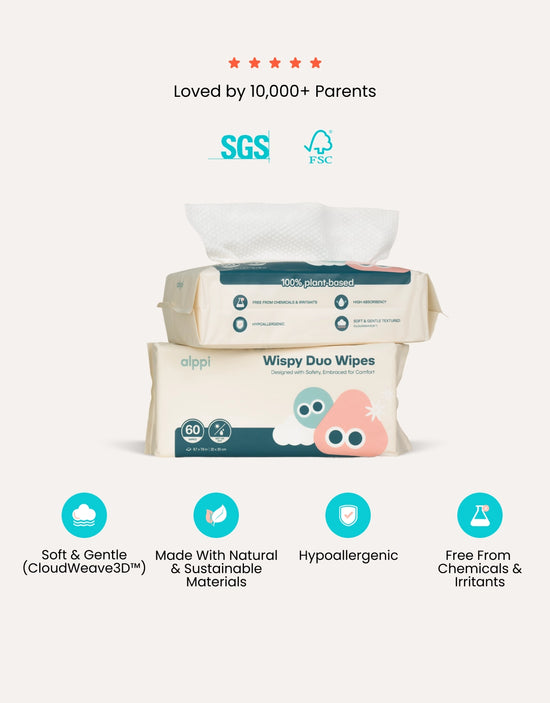
Baby care products are not safety equipment. Still, an organized changing station can reduce rushed movement and help adults keep one hand on the baby while supplies remain nearby.


Frequently Asked Questions
When Should You Start Baby Proofing a House?
Start baby proofing before your baby becomes mobile, ideally during the months before rolling and crawling begin. New skills can appear quickly, and babies may reach farther than expected. Begin with severe risks such as stairs, furniture tip-overs, water, medicines, cleaners, cords, and choking hazards. Then inspect each room from floor level. Repeat the review when your child starts sitting, pulling up, walking, climbing, or opening doors because each stage creates new access.
What Is the Most Important Room to Baby Proof First?
Start with the rooms where your baby sleeps and spends the most supervised playtime, but address severe hazards throughout the home immediately. Anchor furniture, create a bare crib, block stairs, lock poisons, and secure water areas even in less-used rooms. Kitchens, bathrooms, laundry areas, garages, and balconies often need restricted access. A closed door helps only when adults use it consistently. Work through the whole home rather than treating one safe room as permanent protection.
How Do You Baby Proof Stairs Safely?
Install a hardware-mounted safety gate at the top of stairs because pressure-mounted gates can shift. Use an approved gate at the bottom to prevent climbing. Follow the product’s location, width, mounting, and age instructions. Secure the gate to suitable wall framing or approved hardware, not loose trim. Keep stairs clear, improve lighting, and avoid gates with climbable bars or hazardous openings. Check latches and screws often, and teach every caregiver to close the gate immediately after passing through.
What Baby Proofing Products Should I Buy?
Choose products for the hazards in your home rather than buying a generic kit first. Common needs include furniture and TV anchors, approved stair gates, cabinet locks, outlet protection, window guards or stops, door controls, and smoke and carbon monoxide alarms. Check recalls and local safety standards before buying. Every product must fit its exact location and be installed according to its instructions. Safety devices support active supervision, but they cannot replace it or make an unsafe room fully childproof.
Keep Reading:
Final Thoughts
Make safety part of the routine. Knowing how to baby proof a house starts with removing severe hazards and building several layers of protection.Work room by room, follow product instructions, and reassess after every new skill. A safer environment gives your child more freedom to explore while you stay close and attentive.
Safety note: This guide offers general education. Homes, products, building rules, and local requirements vary. Follow product instructions and ask a qualified child-safety professional when a gate, anchor, window guard, pool barrier, or other device does not fit correctly.


