


Flaky, yellowish patches on your baby's scalp can look worrying the first time you notice them, but cradle cap is one of the most common, harmless conditions in babies.
Cradle cap, also called infant seborrheic dermatitis, is not contagious and is not a sign of poor hygiene. With a gentle, consistent routine, most babies clear it up at home within a few weeks. Since overall skin health is connected, keeping the rest of your baby's routine gentle, including what touches their skin during everyday diaper changes, helps too. Below is a simple, pediatrician-friendly cradle cap treatment at home routine, the best remedies to try, and the signs that mean it is time to call the doctor.
- Cradle cap is a common, harmless scalp condition that is not contagious.
- A gentle routine of oil, soft brushing, and mild shampoo works best.
- Coconut oil and similar natural oils can safely help loosen flakes.
- Consistency matters more than harsh scrubbing or aggressive treatment.
- Most cases improve within one to three weeks of regular home care.
- Gentle, chemical-free products protect sensitive skin during the process.
Understanding Cradle Cap Before Starting Treatment at Home

Cradle cap can look concerning at first, but it is a normal part of many babies' early months. Knowing what causes it helps you treat it gently and with realistic expectations.
What Cradle Cap Looks Like on Your Baby's Scalp
- Yellow or white flaky patches, often looking slightly greasy or crusty
- Usually found on the scalp, though it can also show up on the eyebrows or behind the ears
- Not itchy or painful for most babies, even when the flakes look thick
What Causes Cradle Cap
Overactive oil glands produce extra sebum, and dead skin cells stick together instead of shedding normally. A natural yeast that lives on everyone's skin may also play a role in how the buildup forms.
Why It's So Common in Newborns
Babies still carry some of their mother's hormones after birth, which can trigger extra oil production. Their skin is also adjusting to a completely new environment, which makes buildup more likely in the first few months.
The Most Effective Cradle Cap Treatment at Home
A simple, gentle routine is the best way to clear cradle cap without irritating your baby's scalp. This method is easy to follow and lines up with what most pediatric sources recommend.
Step-by-Step Home Routine
| Step | What to Do | Why It Helps |
|---|---|---|
| 1. Apply oil | Use coconut oil or baby oil and leave it on for 10 to 15 minutes | Softens flakes so they lift away more easily |
| 2. Brush gently | Use a soft brush in small circular motions | Loosens flakes without scratching the scalp |
| 3. Wash scalp | Use a mild baby shampoo and rinse thoroughly | Removes the oil and loosened flakes |
| 4. Dry carefully | Pat dry with a soft towel | Prevents rubbing and extra irritation |
How to Get Rid of Cradle Cap Fast
Follow this routine daily or every other day, and stay gentle and consistent rather than aggressive. Picking or scraping at flakes can irritate the scalp and slow healing, so let the oil and brushing do the work instead.
After bath time, soft, chemical-free wipes are handy for gently cleaning around the hairline and ears without adding fragrance or harsh ingredients to skin that is already sensitive.
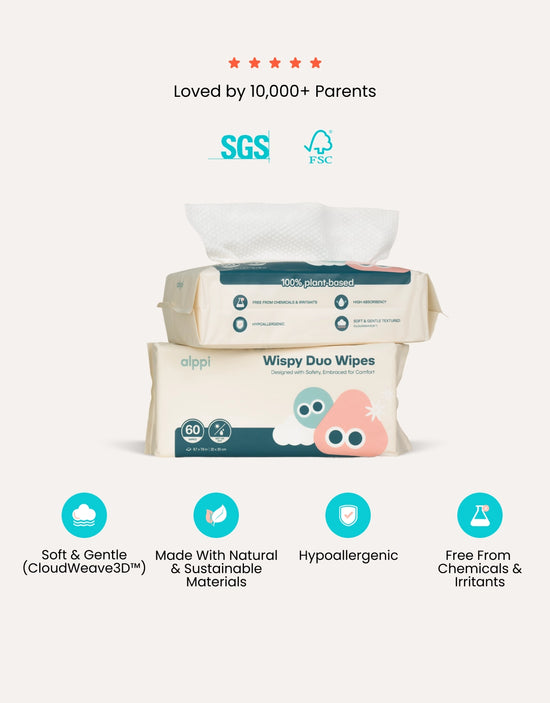
Wispy Duo Wipes (Dry)
Use wet or dry around the hairline, ears, and face. Hypoallergenic, alcohol-free, and dermatologist-tested.

Wispy Cloud Diaper Weekly Bag
A lighter weekly supply of breathable, hypoallergenic diapers to pair with a gentle bath-time routine.

Wispy Cloud Diaper Monthly Box
A full month of cloud-soft, breathable diapers so the rest of your baby's routine stays just as gentle.
Best Oils and Home Remedies for Cradle Cap Treatment at Home

Natural remedies can support your routine and help loosen flakes safely. The key is choosing gentle options that suit your baby's skin.
Comparing Common Home Remedies
| Remedy | Benefits | How to Use |
|---|---|---|
| Coconut oil | Moisturizes and softens flakes | Apply a thin layer, leave briefly, then wash out |
| Petroleum jelly | May help soften thick buildup in some cases | Use a small amount and wash thoroughly afterward |
| Baby oil | Lightweight and easy to spread | Massage in gently before brushing |
Safe-Use Tips for Any Remedy
- Always use a small amount rather than saturating the scalp
- Test on a small area first to check for any reaction
- Avoid leaving oil on the scalp for too long before washing it out
Choosing the Right Products for Cradle Cap Treatment at Home
The products you use can make a real difference in how quickly cradle cap improves. Gentle, simple formulas work best for a baby's developing skin.
What Shampoo Works Best
Look for a mild, tear-free baby shampoo made for sensitive skin that helps reduce buildup gently, without stripping the scalp.
Ingredients to Look For vs. Avoid
| Look For | Avoid |
|---|---|
| Gentle cleansers | Strong fragrances |
| Moisturizing ingredients | Harsh sulfates |
| Soothing agents like aloe | Alcohol-based formulas |
How Often to Wash Your Baby's Hair
Two to three times a week is enough for most babies. You can wash a little more often while cradle cap is active, but avoid over-washing, since that can dry out the scalp and work against your progress.
Keeping your baby's skin calm during diaper changes matters too, since overall skin health is connected. A diaper built for sensitive skin, paired with a newborn bundle for the early weeks, rounds out a gentle full-body routine.

Alppi Rash-Free Diapers
Built specifically for delicate, easily irritated skin, with a breathable, hypoallergenic core in every size.

Alppi Newborn Special
A newborn-sized bundle with an umbilical cutout and soft hook tabs, great for the earliest, most sensitive weeks.
How Long Cradle Cap Lasts with Home Treatment

Cradle cap does not disappear overnight, but it improves steadily with care. Staying consistent with your routine is what gets you better results faster.
Typical Timeline for Improvement
- Mild cases may clear in 1 to 2 weeks
- Moderate cases can take a few weeks of steady care
- Severe cases may last longer but still improve with the same routine
Signs Your Treatment Is Working
Fewer flakes forming, a softer and smoother scalp, and less visible buildup are all good signs your routine is doing its job.
Why Cradle Cap Can Come Back
Oil glands stay active for a while after birth, so buildup can return if you skip regular care. This is simply part of the natural skin cycle rather than a sign anything went wrong.
Common Mistakes That Slow Down Treatment
Some habits can make cradle cap worse or delay healing. Avoiding these protects your baby's delicate scalp while you wait it out.
- Picking or scratching at flakes instead of letting oil loosen them
- Using harsh, fragranced, or sulfate-heavy products
- Skipping regular care between sessions
- Over-treating the scalp with too much oil or too-frequent washing
Daily Habits That Help Prevent Buildup
Light brushing to remove loose flakes, keeping the scalp clean and dry, and sticking with gentle, baby-safe products all go a long way, even though cradle cap cannot always be fully prevented.
When Home Treatment Is Not Enough
Most cases respond well to home care, but sometimes extra help is needed. In more persistent or severe cases, a doctor may recommend a medicated or antifungal shampoo to help clear things up.
Signs You May Need Medical Advice
- Redness or swelling around the affected area
- Oozing, crusting, or an unusual odor
- Patches spreading beyond the scalp
Why Parents Trust Alppi Baby for Gentle Skin Care
Every Alppi Baby product is built around one idea: comfort that feels like a cloud, with peace of mind for parents managing sensitive newborn skin. Diapers and wipes are hypoallergenic, dermatologist-tested, and free from fragrances, dyes, and harsh chemicals that can aggravate a scalp or skin that is already working through something like cradle cap.
You can see the full testing standards on our Safety and Certifications page, or read what other parents are saying on our Reviews page.
Round Out a Gentle Head-to-Toe Routine
Soft wipes, breathable diapers, and sensitive-skin bundles, everything you need to keep the rest of your baby's skin as calm as their scalp.
Explore Alppi Baby


