

Skin & health
When to Switch Car Seat: A Stage-by-Stage Guide
When should you switch car seats? Learn how height and weight limits guide each stage, from rear-facing to a booster and the vehicle seat belt.

Your baby's car seat needs change as they grow, but knowing when to switch car seat stages isn't always obvious.
Age can give you a rough idea, yet the height and weight limits on your child's seat are what really decide the timing. The same thinking applies to almost everything your little one outgrows, from clothes to soft, breathable diapers: fit comes first, birthdays come second. Below is a simple, stage-by-stage way to tell when it's time to move on, and when it's smarter to wait.
- Switch car seat stages only when your child reaches a height or weight limit, or another fit rule in the seat's manual.
- Keep your child rear-facing for as long as they fit the seat's rear-facing mode.
- Moving to a convertible seat does not mean turning forward-facing.
- A booster is for kids who have outgrown their harness and can sit properly for the whole ride.
- Skip the booster only when the vehicle seat belt fits correctly on its own.
When to Switch Car Seat: The Simple Rule

The safest time to switch depends on how your child fits in their current seat. Check the limits and instructions for the exact seat and mode you're using, since every model is a little different.
- Keep your child in the current seat mode until they reach a height or weight limit, or another fit limit listed in that seat's manual.
- Before changing modes, make sure your child also meets the next mode's minimum requirements.
- Don't switch based only on age, bent legs, or your child's preference.
- Check local laws, the car seat manual, and your vehicle manual every time.
Car seat limits vary by model, so a general age chart can't tell you exactly when your child should switch. State child-restraint laws vary too. For current U.S. guidance and state-law information, the National Highway Traffic Safety Administration (NHTSA) is a reliable place to start, and a certified child passenger safety technician can check fit and installation in person.
Car Seat Stages at a Glance
A convertible car seat can usually be used rear-facing and then forward-facing. Some models also convert to a booster, but not all do, so check your manual for its modes and limits.
| Stage | What the Child Uses | When to Move On |
|---|---|---|
| Rear-facing | Infant seat or rear-facing convertible seat | When they reach a rear-facing height or weight limit, or a fit rule |
| Forward-facing | Car seat with a 5-point harness | When they reach the harness height or weight limit |
| Booster | Booster seat, if they meet its requirements | When the seat belt fits correctly without it |
| Seat belt | Vehicle lap and shoulder belt | Stay here once the belt fits for the whole ride |
Always use the limits printed on your own seat. Height and weight limits can differ between models, and even between modes of the same seat.
Signs Your Child Has Outgrown Their Current Car Seat
Most parents notice the warning signs during a regular buckle-up. Here's what to look for before you decide it's time to switch:
- Weight: Your child has reached the maximum weight listed for the mode you're using.
- Height: They've reached the height limit, or their head is closer to the top of the shell than the manual allows (many seats require at least 1 inch of space).
- Harness position: The harness slots no longer sit where the manual says they should for that direction.
- Expiration: The seat is past its expiration date or has been in a crash, even if your child still fits.
Quick Reference: Harness and Belt Fit by Stage
| Stage | What a Good Fit Looks Like |
|---|---|
| Rear-facing | Harness straps at or below the shoulders, chest clip at armpit level |
| Forward-facing | Harness straps at or above the shoulders, top tether used as directed |
| Booster | Lap belt low on the hips and upper thighs, shoulder belt across the chest |
| Seat belt | Back against the seat, knees bent at the edge, belt fits the whole ride |
When to Switch From an Infant Car Seat to a Convertible Seat
Switch from an infant seat when your baby reaches its stated height or weight limit, or no longer meets the manufacturer's fit rules. There's no set age that applies to every baby, and plenty of babies outgrow their infant seat by height before weight.
A convertible car seat can be used rear-facing once your baby fits its requirements. Moving to a convertible seat does not mean your baby is ready to face forward. Install it rear-facing and follow the manual for the harness and recline angle.
Check the seat's label for details like where the top of your baby's head should be in relation to the shell. It's the same idea as using a size chart based on weight instead of age: what fits your baby right now matters more than the month on the calendar.
Infant Seat Stage Tip
Newborns in infant seats need frequent diaper changes on the go. Keep a small kit of diapers and dry wipes in the car so you can change your baby during stops without rushing the next buckle-up.

Alppi Newborn Special
Newborn-sized diapers made for the infant seat stage, when changes come often and skin is extra sensitive.

Wispy Cloud Diaper Weekly Bag
A tote-style bag with six resealable daily packs, easy to stash in the car for drives and daycare runs.
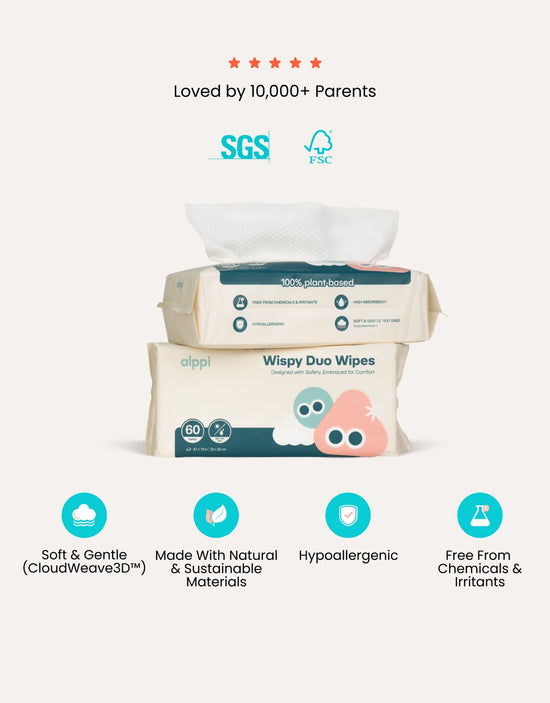
Wispy Duo Wipes (Dry)
Use wet or dry for diaper changes, sticky hands, and car seat spills. Hypoallergenic and dermatologist-tested.
When to Switch From Rear-Facing to Forward-Facing
Keep your child rear-facing until they reach the rear-facing height or weight limit of that specific seat, or no longer meet its fit rules. The American Academy of Pediatrics (AAP) recommends keeping children rear-facing as long as possible within the seat's limits, because this position best supports the head, neck, and spine in a crash.
Once your child outgrows rear-facing mode, move to a forward-facing car seat with a harness. Check its limits, and use the top tether as directed by both the car seat and vehicle manuals.
Turning a child around because they've hit a certain birthday isn't a reliable way to judge readiness. A two-year-old who still fits rear-facing should generally stay rear-facing, subject to the seat's instructions and local requirements.
Bent Legs Are Not a Reason to Switch
Many parents worry when their toddler's feet touch the vehicle seat back. Bent or crossed legs are normal and comfortable for rear-facing kids. Only the seat's height and weight limits should decide when it's time to turn around.
When to Switch From a Harnessed Seat to a Booster
Keep your child in a forward-facing harnessed seat until they reach its height or weight limit or no longer meet its fit rules. Then check whether they meet the booster's minimum requirements and can sit properly for the entire ride.
A booster helps position the vehicle seat belt on a child's body. The lap belt should rest low across the hips and upper thighs, while the shoulder belt should cross the chest and shoulder. If your child slouches, leans, or moves the belt out of place, they may not be ready for a booster yet.
Many four-year-olds still need a forward-facing seat with a harness. This is also the age when a lot of kids are mid-potty training, so pull-up style training pants can save you from accidents in a seat that's hard to clean. Use the seat's limits and readiness rules, along with local laws, rather than deciding by age alone.

Alppi Training Pants Weekly Bag
Easy pull-on protection for potty-training toddlers, handy for longer drives and car seat naps.

Training Pants + Dry Wipes Combo (Monthly)
A month of training pants paired with dry wipes, so the car kit and diaper bag stay stocked.
When a Child Can Use a Seat Belt Without a Booster

Stop using a booster only when the vehicle seat belt fits your child correctly without it. Check the fit in the vehicle they ride in most, since seat belt fit can vary from car to car. Your child should be able to:
- Sit with their back against the vehicle seat.
- Bend their knees naturally at the seat edge.
- Keep the lap belt low across the hips and upper thighs.
- Keep the shoulder belt across the chest and shoulder.
- Stay in that position for the entire ride.
Many children use a booster until the seat belt fits properly, often around 4 feet 9 inches tall and between 8 and 12 years old. These are general guideposts, not a substitute for checking belt fit or local laws. If the belt rests on the stomach or crosses the neck, keep using a booster as long as your child still fits its limits. Children under 13 should also keep riding in the back seat.
Car Seat Switching Mistakes to Avoid
Small fit details matter when you change stages. Take a moment to check the seat, your child, and the vehicle before making the switch.
- Switching by age alone: Use the current seat's limits and instructions instead.
- Turning forward-facing too early: Stay rear-facing while your child fits the rear-facing mode.
- Moving to a booster too soon: Your child needs to meet the booster requirements and sit correctly.
- Using limits from another model: Height and weight limits vary by seat and mode.
- Skipping the manuals: Check both the car seat and vehicle manuals for installation and use.
- Overlooking recalls or expiration: Check labels and recall information, and never use a damaged or expired seat.
- Bulky coats under the harness: Thick jackets compress in a crash and leave the straps too loose. Buckle up first, then layer a blanket or coat on top.
Car Seat Tips for Long Drives at Every Stage
Whatever stage your child is in, longer trips go more smoothly with a little planning. Build in regular stops, take your baby out of the seat only when the car is parked, and never let the car seat double as a place for routine sleep outside the car.
Diaper changes should always happen outside the car seat, on a flat surface. Our guide to changing a diaper in the car safely walks through the best spots, from the back seat to the trunk.
Build a Car Seat Kit
Keep a spare outfit, a few diapers or training pants, a changing pad, and a pack of travel baby wipes in a bin in the trunk. Restock it every weekend so you're never caught off guard mid-trip.

Diaper + Dry Wipes Value Combo (Monthly)
A full month of Wispy Cloud Diapers plus dry wipes, the easiest way to keep both your home stash and car kit full.
Why Parents Trust Alppi Baby on Every Car Ride
Alppi Baby doesn't make car seats, but we know how much time little ones spend buckled in. Our diapers and wipes are hypoallergenic, dermatologist-tested, and free from fragrances and harsh chemicals, so your baby stays comfortable from the infant seat all the way to the booster years.
See the full testing standards on our Safety and Certifications page, or read what other parents are saying on our Reviews page.
Keep Every Car Ride Clean and Comfortable
Soft diapers, training pants, and dry wipes that fit right into your car kit, at every stage from infant seat to booster.
Explore Alppi BabyFAQs About When to Switch Car Seats
What age should I switch from an infant car seat?
Can my two-year-old sit forward-facing?
Should a four-year-old use a car seat or a booster?
How do I know if my child is ready for a forward-facing car seat?
How do I know when to switch car seat stages if my child is between limits?
Can a baby stay in a car seat for longer than 30 minutes?
Read Next


Shop this guide


