


A little planning several weeks ahead can turn a stressful first day back into a manageable one.
Returning to work after maternity leave can bring excitement, worry, guilt, and relief all at once. You may be thinking about childcare, feeding, sleep, your commute, and how your baby will manage without you during the day. Some preparation can make the change easier for both of you. Read on for practical planning tips, workplace advice, and a helpful return to work checklist, plus a look at Alppi Baby's everyday diaper lineup for keeping daycare bags stocked.
- Confirm your return date, schedule, and job expectations early.
- Arrange childcare and create a backup plan before your first day.
- Prepare bottles, feeding instructions, diapers, wipes, and comfort items.
- Set a realistic pumping or feeding routine if needed.
- Keep your first weeks simple and ask for support when you need it.
- Expect some emotional ups and downs while you and your baby adjust.
- Watch for signs of postpartum depression or anxiety.
Returning to Work After Maternity Leave: What to Plan First

The best time to start planning is several weeks before your return date. A clear plan can help you find problems with childcare, transportation, feeding, and work hours before they become stressful.
| Area to Plan | What to Confirm |
|---|---|
| Work | Start date, hours, duties, meetings, and workload |
| Childcare | Main caregiver, backup care, pickup times, and emergency contacts |
| Feeding | Breastfeeding, pumping, formula, bottles, and storage |
| Travel | Commute time, parking, transportation, and delays |
| Baby care | Diapers, wipes, naps, clothing, and comfort items |
| Health | Postpartum appointments and your recovery needs |
| Support | Help from your partner, family, friends, or a caregiver |
Confirm Your Return Date and Schedule
Start by confirming your official return date with your employer. Then review the areas above and write down anything that still needs attention.
Talk to Your Manager or HR Team Early
Speak with your manager or HR team about your first week back. Ask which tasks matter most and whether flexible hours, remote work, or a phased return is available.
Write Down What Still Needs Attention
Knowing what to expect can help you feel more prepared and reduce first day stress.
Preparing for Your First Day Back at Work
Your first day doesn't need to be perfect. The main goal is to reconnect with your team, understand what changed, and ease back into your role.
Practice Your New Morning Routine
A few days before returning, try your new morning routine. Wake up at the time you'll need to, prepare the baby's bag, complete the daycare drop off, and practice the commute. This can show you where extra time is needed.
What to Pack Before Your First Day
- Work clothes and comfortable shoes
- Your lunch, snacks, and water bottle
- Baby's bottles, food, diapers, and wipes
- Pumping equipment, if needed
- Emergency contact details
- A backup plan for late pickups or childcare problems
Packing Dependable Supplies
Packing dependable supplies can make the morning less stressful. Alppi Baby diapers and dry wipes can be useful for daycare bags, travel, and quick changes when you're moving between home, work, and childcare.
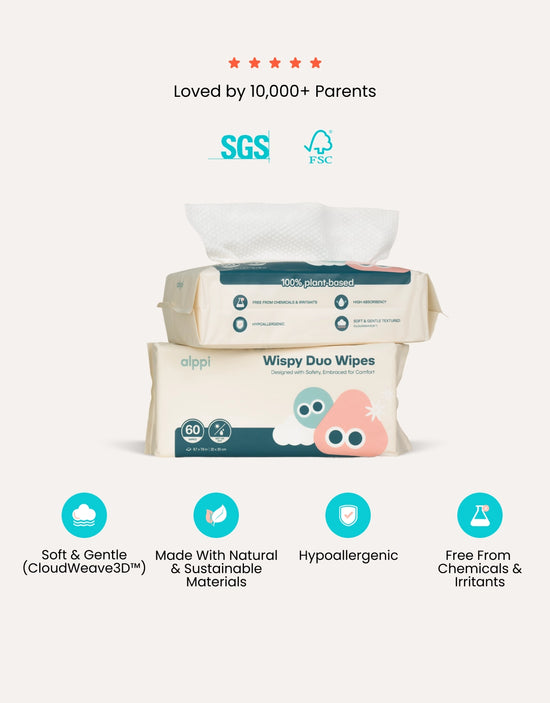
Wispy Duo Wipes (Dry)
Use wet or dry for quick, tidy changes between home, daycare, and work.
Childcare and Daycare Drop-Off Tips for the First Week
Childcare is often the biggest part of the transition back to work. Whether your baby will attend daycare, stay with a nanny, or be cared for by family, clear instructions can help everyone feel more confident.
What to Give Your Caregiver in Writing
- Feeding times and amounts
- Nap routines
- Diaper preferences and changing instructions
- Allergies or medicines
- Comfort methods
- Emergency contacts
- Your preferred update method
Sharing accurate sizing and fit details helps too. Alppi's sizing guide can help you confirm the right size before you send a fresh supply to daycare.
Daycare Drop-Off Tips for the First Week
The first drop off may feel emotional for you and your baby. A calm and predictable routine can make it easier.
- Visit the setting with your baby before the first day
- Keep goodbye short, warm, and consistent
- Bring a familiar comfort item if permitted
- Leave extra time for questions and delays
- Ask when you can expect updates
- Avoid leaving without saying goodbye
- Keep the pickup routine as consistent as possible
Starting With Shorter Days
If your schedule allows, begin with shorter childcare days before your full return. This gives your baby time to adjust and helps you learn how the arrangement works.
Breastfeeding, Formula, and a Pumping Schedule at Work
There's no single feeding plan that works for every family. You may breastfeed, pump, use formula, or combine different methods. Choose the plan that supports your baby and your own health without adding unnecessary pressure.
Talk to Your Employer About Pumping
If you plan to pump, discuss your needs with your employer before returning. Ask about a private space, possible break times, milk storage, and where you can keep your equipment.
A Sample Pumping Schedule
| Time | Possible Plan |
|---|---|
| Before leaving home | Breastfeed or pump |
| Morning at work | Pump around your baby's usual feeding time |
| Lunch | Pump during a planned break |
| Afternoon | Pump again if needed |
| After work | Feed or pump after reuniting with your baby |
Your exact pumping schedule may vary based on your baby's age, milk supply, feeding pattern, work hours, and healthcare advice.
What to Pack for Pumping or Formula Feeding
Pack your pump, charger, bottles, labels, storage bags, cooler, and cleaning supplies. Tell the childcare provider how to store and offer breast milk.
If pumping becomes painful, difficult, or stressful, contact a healthcare professional or lactation consultant. If you use formula, prepare clear instructions for the caregiver and make sure they understand how much your baby usually takes and when.
Balancing Work and a Newborn
Balancing work and a newborn is easier when you lower the pressure to do everything perfectly. Your energy, sleep, and routine may change from one day to the next, especially during the first few months.
Focus on the Essentials
- Choose three important work tasks each day
- Share night feeds and household tasks when possible
- Prepare simple meals or use grocery delivery
- Keep a shared calendar for childcare and appointments
- Ask family or friends for specific help
- Protect time for rest whenever possible
Keep Backup Baby Supplies on Hand
A well packed baby care bag can save time. Consider keeping extra Alppi Baby diapers and dry wipes in your car or childcare bag so you're ready for unexpected changes, messy meals, and delayed trips home. Avoid storing baby care products in extreme heat or cold, and follow the manufacturer's storage instructions.

Wispy Cloud Diaper Weekly Bag
A lighter supply that's easy to keep in the car or a spare daycare bag.

Wispy Cloud Diaper Bundles
Combine diapers and wipes in one order to keep both home and daycare stocked.
Protect Time for Rest
Rest doesn't have to wait until everything else is done. Even short breaks, protected consistently, can help you keep going through a demanding transition.
Setting Boundaries at Work After Maternity Leave

Your work routine may need to change after having a baby. Clear boundaries can help you protect your time while still meeting important responsibilities.
What to Discuss With Your Manager
- Your working hours
- Meeting availability
- Remote or flexible work options
- Pumping or feeding breaks
- Medical appointments
- Priority tasks
- Expected response times
You Don't Have to Do Everything at Once
Ask which duties are most urgent when your workload feels too large. You don't have to complete every task at once. Regular check ins during the first month can help you adjust your schedule and workload.
Give Yourself Time to Find a New Rhythm
Try to avoid comparing your performance with how you worked before having a baby. Your responsibilities and priorities have changed, and it may take time to find a new rhythm.
What to Expect During the First Weeks Back
The first weeks may feel unpredictable. Some days may go smoothly, while others may involve a difficult drop off, a missed pumping session, or a change in childcare plans.
Common Feelings During This Transition
- Feeling emotional when leaving your baby
- Worrying about whether your baby is okay
- Feeling distracted during work
- Feeling happy to reconnect with coworkers
- Feeling tired at the end of the day
- Needing time to rebuild your confidence
- Finding that your routine changes frequently
These feelings are normal during a major transition. Give yourself time to adjust, and remember that you don't have to solve every problem immediately.
The First Week Back at Work
The first week is a time to settle in, not prove that nothing has changed. Your concentration and energy may take time to return, so keep your expectations realistic. Confirm your main priorities with your manager, ask for updates on projects and workplace changes, avoid taking on extra work immediately, take regular food, water, bathroom, and pumping breaks, keep evenings simple, write down problems with childcare, commuting, or scheduling, and review what worked at the end of the week.
Give Yourself Permission to Adjust
You may feel emotional when leaving your baby and again when returning home. These feelings can exist alongside excitement about work. Give yourself time to adjust.
Emotional Health When Returning to Work
Returning to work can bring guilt, sadness, anxiety, relief, or confidence. These feelings are common during a major life change, but they shouldn't be ignored if they become intense or continue for a long time.
When to Reach Out for Support
Reach out to a doctor, therapist, trusted person, or postpartum support service if you notice ongoing sadness or hopelessness, severe worry or panic, anger that feels difficult to control, feeling numb or disconnected, loss of interest in normal activities, trouble caring for yourself or your baby, or thoughts of harming yourself or your baby.
Postpartum Depression and Anxiety Aren't Signs of Poor Parenting
Postpartum depression and anxiety are health conditions, not signs of poor parenting.
If You Need Support Right Now
Crisis Support
If you're in the United States and have thoughts of harming yourself or your baby, call or text 988 for immediate crisis support. If you're elsewhere, contact your local emergency service or crisis hotline. Call 911 or go to the nearest emergency department if there's immediate danger.
Return-to-Work Checklist for New Parents
Before Your Return
| Task | Done |
|---|---|
| Confirm your return date and working hours | ☐ |
| Arrange primary and backup childcare | ☐ |
| Practice the commute and daycare drop off | ☐ |
| Discuss your workload with your manager | ☐ |
| Prepare feeding and pumping supplies | ☐ |
| Share baby care instructions with the caregiver | ☐ |
| Book needed medical appointments | ☐ |
| Prepare backup baby supplies | ☐ |
| Plan simple meals for your first week | ☐ |
The Night Before
- Pack your work bag and baby's bag
- Prepare bottles, food, diapers, and wipes
- Set out clothes for you and your baby
- Check transportation and childcare plans
- Prepare a simple breakfast and lunch
- Set a realistic goal for your first day
During the First Month
Keep communication open with your manager, review your childcare routine each week, adjust your pumping or feeding plan if needed, and maintain a backup care option. A diaper subscription can help take one recurring task off your plate while you settle into the new routine. Ask for support before stress becomes overwhelming, make changes based on what works for your family, and celebrate small wins and progress.
The Bottom Line on Returning to Work
Returning to work after maternity leave takes planning, patience, and support. Start with childcare, feeding, transportation, workplace expectations, and a practical backup plan, then adjust your routine as you learn what works for your family.
The transition may not feel easy every day, but it will become more familiar with time. Prepare what you can, stay flexible, and give yourself permission to adjust your plans as your baby grows and your needs change. Check Alppi Baby's FAQ page for more on subscriptions, bundles, and current promotions if you decide to stock up before your return.
Ready to Pack the Daycare Bag?
Stock up on soft, reliable diapers and dry wipes so mornings feel a little easier during the transition back to work.
Shop Alppi Diapers & Wipes


