


Gentle sleep training is a gradual, responsive way to help a baby practice falling asleep with less hands-on help over time.
It usually works best after the newborn stage, when your baby is developmentally ready, sleeping in a safe space, and supported by a consistent bedtime routine that every caregiver can repeat.
The word gentle does not mean there will never be crying. It means the plan avoids surprise, harshness, and all-or-nothing pressure. You still respond to real needs. You still feed when feeds are medically or developmentally needed. You still check illness, diapers, temperature, and safety. The training part is simply helping your baby learn one small settling skill at a time.
- Gentle sleep training is gradual and responsive, not a promise that there will never be crying.
- Many babies are not ready for formal sleep training until around 4 to 6 months, and some still need night feeds.
- Pick one method, keep the routine repeatable, and judge progress over several nights instead of one hard bedtime.
- Comfort basics like fit, dryness, and a safe wearable layer can make the plan easier to repeat.
When to Start
Most medical sleep guidance discusses sleep-training readiness around 4 to 6 months, but that is not a deadline or a guarantee. HealthyChildren notes that babies do not have regular sleep cycles until about 4 months. Cleveland Clinic similarly frames sleep training as a skill babies may be ready to practice around this stage, while reminding parents to ask a pediatrician if they are unsure.
Newborns are different. They need frequent feeding, close response, and time to develop day-night rhythm. Gentle routines can begin early, but formal training should not be treated as a newborn requirement. For young babies, the foundation is safe sleep, responsive feeding, low-stimulation nights, daylight during the day, and a short, soothing routine.
Readiness also depends on the family. If caregivers disagree about the method, the baby is sick, travel is coming, daycare is changing, or everyone is too depleted to be consistent, it may be better to wait. A steady plan for seven nights beats an ideal plan that collapses after two.
Gentle Methods Parents Usually Mean
The no-cry sleep training method is often described as a routine-heavy approach. Parents focus on timing, bedtime rhythm, and reducing help so gradually that distress stays low. In real homes, there may still be fussing. The useful part is the mindset: change the routine in small enough steps that your baby can keep up.
The pick up put down method gives direct comfort without letting the baby fall fully asleep in arms every time. You place the baby down drowsy, pick them up if they become very upset, soothe until calm, and put them back down before sleep takes over. It can be reassuring for parents, but it can also overstimulate some babies, especially if pickups become frequent.
The chair method sleep training approach keeps a caregiver in the room while the baby practices falling asleep. You sit near the crib at first, then move the chair farther away every few nights. This can work well for parents who want presence built into the plan. The tradeoff is that it often takes longer, and some babies become more frustrated because they can see you but are not being fully helped to sleep.
Fading is another gentle option. Instead of changing everything at once, you reduce the strongest sleep association gradually. If rocking takes 30 minutes, rock for 25, then 20. If feeding is the last step, move the feed earlier in the routine and add a book or song afterward. If a pacifier replacement happens ten times a night, choose one stretch to practice first.
A Gradual Plan for 6 Month Old Babies
A 6-month-old may be ready to practice more independent settling, but the plan still needs to respect feeding, growth, temperament, and pediatric guidance. Some babies this age still need night feeds. Some are teething. Some are rolling or learning new mobility skills. Before starting, decide what wakes you will treat as feeds and what wakes you will treat as settling practice.
Make the bedtime routine very clear. A common order is feed, diaper, pajamas, sleep sack, book, song, crib. The feed is still loving and important, but it is not the final event. That small shift helps break the idea that milk is the only doorway into sleep. If your baby gets drowsy during the feed, gently wake enough to finish the next step.
Fit and comfort matter here. A leaking diaper or too-tight waistband can derail even a thoughtful plan. Use the Sizing Guide to check diaper or pants fit. For overnight protection, the Wispy Cloud Diaper Monthly Box may fit younger babies still in tab diapers, while the Training Pants Monthly Box may fit older, active babies who are easier to change standing or rolling.
Gradual Methods vs Cry It Out
Comparing gradual methods with cry it out is not really a contest between loving and unloving parents. It is a difference in pace and parent involvement. Cry-it-out or extinction-style plans reduce parent help quickly. Graduated methods use timed checks. Gentler methods usually keep more soothing, presence, or step-by-step fading in the plan.
The right method depends on the baby and the adults. Some babies get more upset with repeated checks. Some calm when a parent is nearby. Some parents can handle short crying with confidence; others become so distressed that they cannot be consistent. A method that looks efficient on paper may not be the best method for the family in the room.
Whatever you choose, keep the safety rules steady. Babies should be placed on their backs for sleep until 1 year, on a firm, flat surface, without loose bedding or soft items. Do not add pillows, weighted products, blankets, or unsafe props to make training easier. If a baby is sick, unusually distressed, or not feeding well, pause and call the pediatrician.
Where ALPPI Baby Fits
ALPPI Baby belongs in this article as routine support. The Premium Bamboo Sleep Sack can become a consistent cue between the diaper change and the crib. Because it is a wearable layer, it also lines up with the safe-sleep preference for dressing babies in appropriate sleep clothing rather than adding loose blankets.
ALPPI diapers and pants can support the comfort side of the plan. The product pages describe LiquidLock absorbency, Cloudfresh breathable materials, soft covers, and hypoallergenic positioning. If wetness or leaks are causing wakes, sleep training will feel harder than it needs to. The Wispy Duo Wipes can also help keep overnight changes quick and low-stimulation.
Parents comparing products can review Safety and Certifications for ALPPI's testing and ingredient positioning, then browse shop all ALPPI Baby products or start from ALPPI Baby. Product claims should stay product-specific: soft, absorbent, breathable, hypoallergenic, and routine-friendly. No diaper, wipe, or sleep sack trains a baby to sleep.
Products You May Want to Shop

Premium Bamboo Sleep Sack
A soft 1.0 TOG wearable layer for a calm, repeatable bedtime routine.

Wispy Cloud Diaper Monthly Box
A monthly diaper supply designed to keep naps and nighttime changes predictable.
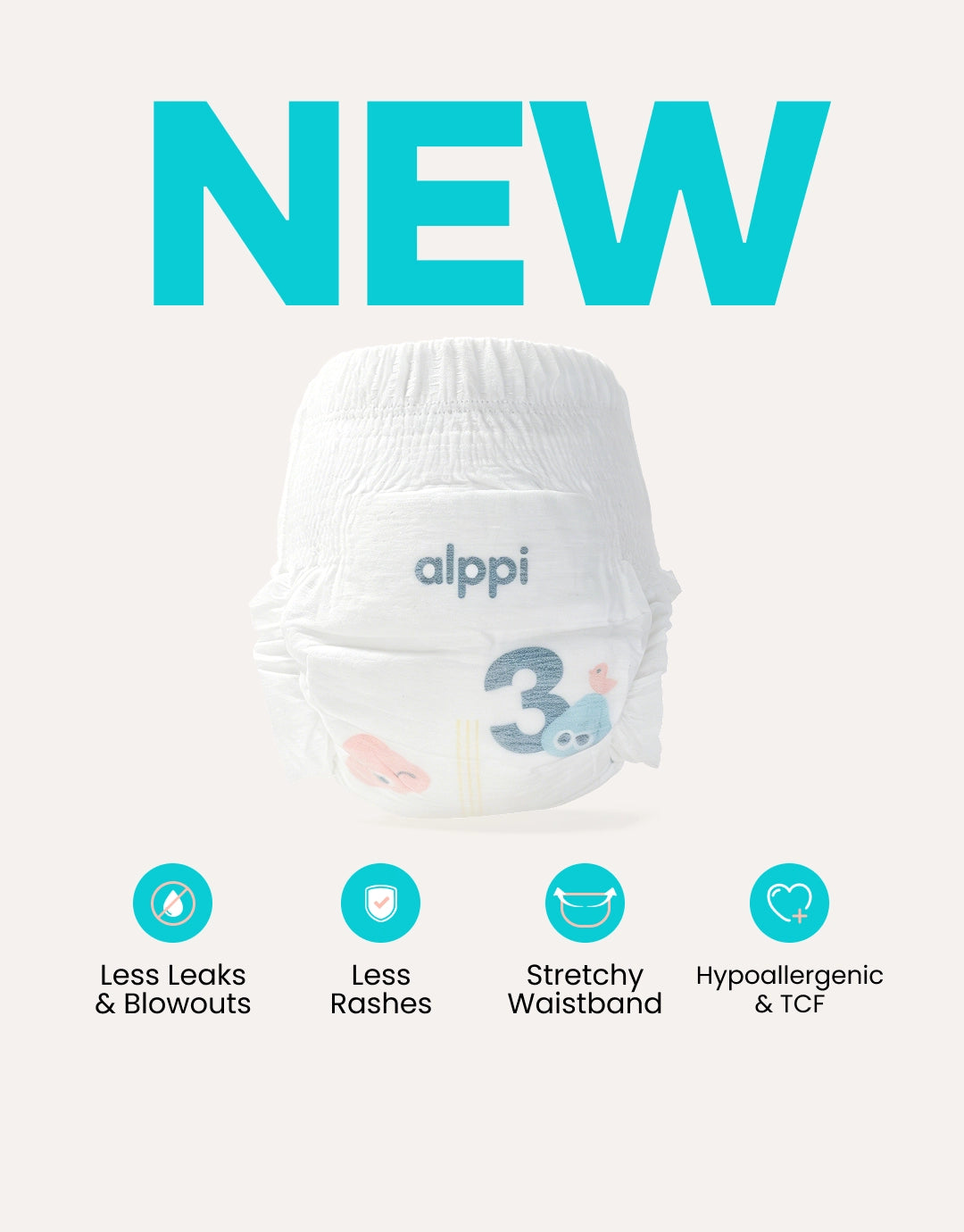
Training Pants Monthly Box
A pull-on option for older babies and toddlers who are easier to change on the move.
A Seven-Night Gentle Plan
Night one is for observation. Use the routine and write down bedtime, last nap, feeding, crying, checks, and wakeups.
Night two, pick the first change: move the feed earlier, shorten rocking, or place the baby down slightly more awake.
Night three, repeat exactly. Resist the urge to change the method because one night was hard.
Nights four and five are for tiny adjustments. If your baby is escalating immediately, the step may be too big or the timing may be off. If your baby is playing happily for a long time, bedtime may be too early. If wakes cluster after midnight, look at feeding and diaper comfort. If mornings are miserable, the full 24-hour schedule may need attention.
Nights six and seven are for deciding whether to continue. Progress may look like shorter settling, fewer pickups, calmer checks, or one longer stretch, not perfect sleep.
If there is no improvement and everyone is more stressed, pause and simplify. A pediatrician, lactation consultant, or behavioral sleep specialist can help when the pattern is bigger than a routine tweak.
Support a Routine You Can Repeat
Keep the comfort basics ready so the focus can stay on a steady, responsive sleep plan.
Shop ALPPI BabyFrequently Asked Questions
What is a gentle sleep plan?
When can I start gentle sleep training?
What is the pick up put down method?
What is the chair method?
Are gentle methods better than cry it out?
About ALPPI Baby
About ALPPI creates baby care products designed around comfort, safety, and simpler routines for parents. For this article, ALPPI product mentions are limited to verified product and brand pages and are not used as medical claims.


