


Those dry, red patches on your baby's cheeks can show up quickly and feel hard to manage, especially when your little one seems uncomfortable.
Eczema on a baby's face is common, and with the right care, you can soothe your baby's skin and reduce flare-ups significantly. Understanding what's happening and what actually helps makes all the difference, and it pairs naturally with the rest of your baby's everyday sensitive-skin routine. Here's how to recognize, treat, and manage facial eczema with confidence.
- Eczema on a baby's face often shows up as dry, red, or irritated skin on the cheeks and chin.
- Common triggers include dry air, saliva, harsh products, and heat.
- Gentle skincare and consistent moisturizing are key to managing flare-ups.
- Some babies outgrow eczema as they get older.
- Choosing soft, skin-friendly products can help reduce irritation day to day.
Understanding Eczema on a Baby's Face

Eczema on a baby's face is a common skin condition that causes dryness, redness, and irritation. It's also known as atopic dermatitis and often appears during the first year of life.
This condition happens when the skin barrier is weaker than normal, making it easier for moisture to escape and irritants to get in. The face is especially sensitive, which is why eczema often shows up there first.
What Eczema on a Baby's Face Looks Like
- Dry, rough, or flaky patches on the cheeks
- Red or pink irritated skin
- Small bumps or inflamed areas
- Crusting or slight oozing in more severe cases
- Darker or lighter patches, depending on skin tone
Early Symptoms to Watch For
- Dry skin that doesn't go away with regular lotion
- Redness on the cheeks or around the mouth
- Frequent rubbing of the face against clothes or your shoulder
- Itching, fussiness, especially during or after feeding
Common Causes of Eczema on a Baby's Face
There's no single cause of eczema, but several factors can contribute to flare-ups, including a family history of eczema, asthma, or allergies, exposure to dry or cold weather, contact with irritants like soaps or fragrances, and saliva left on the skin from drooling or milk.
Major Triggers That Worsen Flare-Ups
- Dry indoor air or seasonal changes
- Scented skincare or laundry products
- Heat, sweat, and overdressing
- Drool and food residue left on the skin
Soft, fragrance-free wipes help gently clean your baby's face without adding irritation, especially right after feeding or drooling.
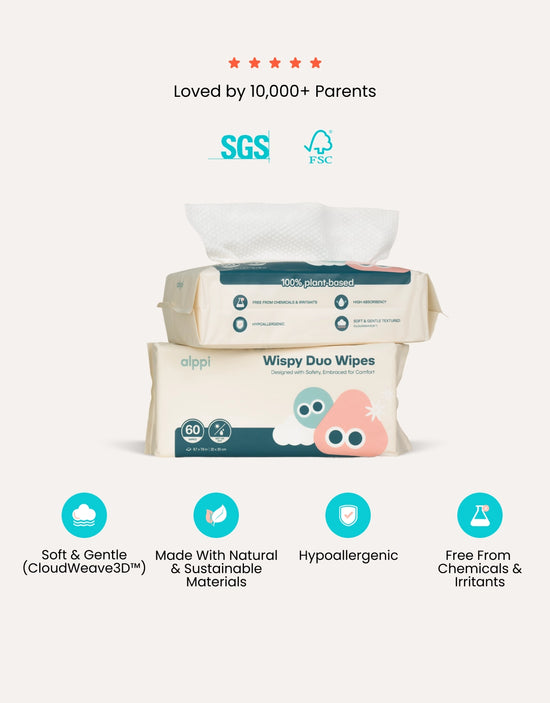
Wispy Duo Wipes (Dry)
Use wet or dry for gentle face cleanups after drool or feeding. Hypoallergenic, alcohol-free, and dermatologist-tested.

Wispy Cloud Diaper Weekly Bag
A lighter weekly supply of breathable diapers, part of a broader routine for babies with sensitive, reactive skin.

Wispy Cloud Diaper Monthly Box
A full month of cloud-soft, breathable diapers to keep the rest of your baby's skin just as comfortable.
Conditions That Can Be Mistaken for Eczema
Not every rash on a baby's face is eczema, and some conditions can look very similar. Knowing the difference helps you choose the right care.

| Condition | How It Looks | Key Difference |
|---|---|---|
| Baby acne | Small pimples or bumps | Usually clears on its own without dryness |
| Heat rash | Tiny red bumps | Linked to sweating or heat |
| Cradle cap | Yellow, scaly patches | Often starts on the scalp, not itchy |
| Contact dermatitis | Red, irritated skin | Triggered by a specific product or fabric |
How to Treat Eczema on a Baby's Face Safely
Treating facial eczema focuses on soothing the skin and protecting its natural barrier. Gentle, consistent care is the most effective approach.
- Wash the face with lukewarm water and a mild cleanser
- Pat the skin dry instead of rubbing
- Apply a thick moisturizer within about 3 minutes of washing to lock in moisture
- Use doctor-recommended creams if needed
- Keep your baby's nails short to prevent scratching
Choosing the Best Moisturizer
The right moisturizer can make a big difference in how your baby's skin feels and heals. Thicker products tend to work better than lightweight lotions.
| What to Look For | Why It Helps |
|---|---|
| Fragrance-free formulas | Reduces irritation risk |
| Ceramides | Strengthens the skin barrier |
| Petrolatum-based ointments | Locks in moisture effectively |
| Hypoallergenic labels | Safer for sensitive skin |
Apply moisturizer several times a day to keep the skin hydrated and protected.
Daily Routine for Managing Facial Eczema

A simple daily routine helps keep your baby's skin calm and hydrated, and consistency matters more than trying many different products. In the morning, gently clean your baby's face and apply moisturizer before heading out. At night, repeat the process and focus on calming the skin before sleep.
Bathing Habits That Help
- Bathe your baby once a day or every other day
- Use lukewarm water instead of hot water
- Keep baths around 5 to 10 minutes
- Apply moisturizer right after bathing, within the 3-minute window, to lock in moisture
Daily bathing is safe as long as it's followed immediately by moisturizing to protect the skin barrier.
Breast Milk and Food Sensitivities
Some parents try breast milk on eczema patches as a natural remedy, since it's often suggested for its soothing properties. Some families see mild improvement, but scientific evidence is limited, so it's best used cautiously alongside proven skincare methods.
In some cases, food sensitivities can play a role in flare-ups, though they're not the main cause of eczema and are more common in babies with moderate to severe cases. Dairy, eggs, soy, and nuts are common triggers, breastfed babies can react to foods in the mother's diet, and it's worth watching for patterns between feeding and flare-ups. Speak with a doctor before making major diet changes.
What Not to Do When Treating Facial Eczema
Certain habits can make eczema worse, even if they seem harmless.
- Don't use scented or adult skincare products
- Avoid over-washing or scrubbing the skin
- Don't try too many new products at once
- Avoid leaving drool or food on the face for long periods
Rounding out the rest of your baby's routine with breathable, hypoallergenic products can help keep sensitive skin calmer overall.

Alppi Rash-Free Diapers
Built specifically for delicate, easily irritated skin, with a breathable, hypoallergenic core in every size.

Alppi Newborn Special
A newborn-sized bundle with soft hook tabs, a gentle starting point for babies with reactive, easily irritated skin.
Can Eczema on a Baby's Face Go Away Over Time?
Many babies improve as they grow older, especially with proper care, since the skin barrier often becomes stronger over time. Some children outgrow eczema completely, while others may continue to have sensitive skin. Managing triggers early can help reduce long-term issues.
When to Seek Medical Care
Sometimes eczema needs more than basic home care. Knowing when to see a doctor can help prevent complications.
Signs You Shouldn't Wait On
- Skin becomes very red, swollen, or painful
- Yellow crust or signs of infection appear
- Your baby isn't sleeping due to itching
- No improvement after consistent home care
Quick Relief Tips
Keep your baby's skin moisturized throughout the day, use soft, breathable fabrics like cotton, maintain a comfortable room temperature, and try a humidifier if the air feels dry.
Why Parents Trust Alppi Baby for Sensitive Skin
Every Alppi Baby product is built around comfort that feels like a cloud, with peace of mind for parents managing eczema, dryness, and everything in between. Diapers and wipes are hypoallergenic, dermatologist-tested, and free from fragrances, dyes, and harsh chemicals.
You can see the full testing standards on our Safety and Certifications page, or read what other parents are saying on our Reviews page.
Support Sensitive Skin From Head to Toe
Gentle wipes and hypoallergenic diapers, everything you need to round out a calm, fragrance-free skincare routine.
Explore Alppi Baby


