


The best training pants for toddlers balance absorbency with body awareness. The right pair means fewer leaks, more independence, and a potty training experience that actually moves forward.
Potty training is a big milestone for your toddler and for you. Finding the best training pants for toddlers can make the process smoother, less messy, and significantly less stressful. The right pair helps your child feel more independent while still protecting against small accidents. Keep reading for everything you need to choose well and train with confidence.
- The best training pants for toddlers balance absorbency with the learning awareness that drives real progress.
- Proper fit and breathable materials help prevent both leaks and skin irritation throughout training.
- Reusable and disposable options both have genuine advantages depending on your daily routine.
- Training pants should support independence and potty practice, not replace them.
- Most families keep reliable overnight diapers and gentle wipes running alongside training pants throughout the transition.
Why Choosing the Best Training Pants for Toddlers Matters

The best training pants for toddlers are not just smaller diapers. They are purpose-built to help your child learn when they are wet while still preventing major messes. When you pick the right pair for your child's stage, potty training starts to feel like genuine progress rather than endless cleanup duty.
- Encourage independent pull-up and pull-down - building this skill is one of the most important parts of potty confidence.
- Reduce frustration from frequent leaks - a good fit and proper absorbency level keeps training manageable for everyone.
- Support body awareness - the slight wet sensation that quality training pants allow is what teaches toddlers to recognize the urge.
- Make the shift from diapers feel like a milestone - wearing pull-up style pants is psychologically motivating for toddlers who want to feel grown up.
Most families continue using diapers overnight or during long outings while training pants handle daytime practice. Having reliable overnight coverage running alongside training pants is the approach that works best for most toddlers at most stages.
Key Features of the Best Training Pants for Toddlers
Not all training pants are made the same. The best training pants for toddlers share specific features that support the learning process while keeping your home reasonably clean during the messiest early weeks.
Moderate absorbency for small accidents
Training pants should catch small daytime accidents without fully masking wetness. Too absorbent and your child stops noticing. Too thin and you are changing outfits constantly. Moderate padding that catches leaks while still letting your toddler feel wet is the sweet spot.
Leak protection that still feels like underwear
A snug fit around the legs and waist is what reduces leaks more than any other single feature. Soft elastic bands keep pants in place without leaving red marks. Look for stretchy waistbands, secure leg openings, and a multi-layer centre panel for the best combination.
Soft and breathable materials
Toddlers have sensitive skin that wears training pants for hours at a stretch during active days. Breathable cotton or gentle hypoallergenic fabrics prevent rashes and discomfort. This matters even more during the warmer months when heat and moisture compound.
Easy pull-up and pull-down design
The best training pants for toddlers should be easy for small hands to manage independently. If your child struggles to pull them down quickly, accidents happen simply because they could not get there in time. Independence at the waistband is as important as absorbency in the gusset.
Getting Sizing Right
Fit matters more than most parents expect when choosing training pants. Pants that are too loose leak at the legs. Pants that are too tight cause discomfort that makes your toddler resistant to wearing them at all. Always check the weight recommendations on the specific brand, assess waist comfort during wear, and look for any gaps forming around the leg openings during movement and play.
Types of Training Pants for Toddlers

Every family has a different routine and a different toddler. Understanding what each type of training pant does best helps you choose the option, or the combination of options, that fits your life.
| Type | Best For | Key Advantage | Watch Out For |
|---|---|---|---|
| Reusable cloth training pants | Home training, eco-conscious families | Strong wetness awareness, long-term cost savings | Need multiple pairs, requires quick changes |
| Disposable training pants | Daycare, travel, busy days away from home | Convenient, stronger absorbency, easy cleanup | Higher ongoing cost, less wetness feedback |
| Nighttime training pants | Toddlers ready to attempt overnight dryness | Extra absorbent layers, stronger leak barriers | Most toddlers still need full diapers overnight |
Nighttime Note
Nighttime dryness develops separately from daytime control and usually arrives months later. Most toddlers are not developmentally ready to stay dry overnight even after mastering daytime potty use. Reliable overnight diapers remain the right choice for most families until consistent dry mornings appear over several weeks.
Alppi Training Pants: Our Top Pick for 2026
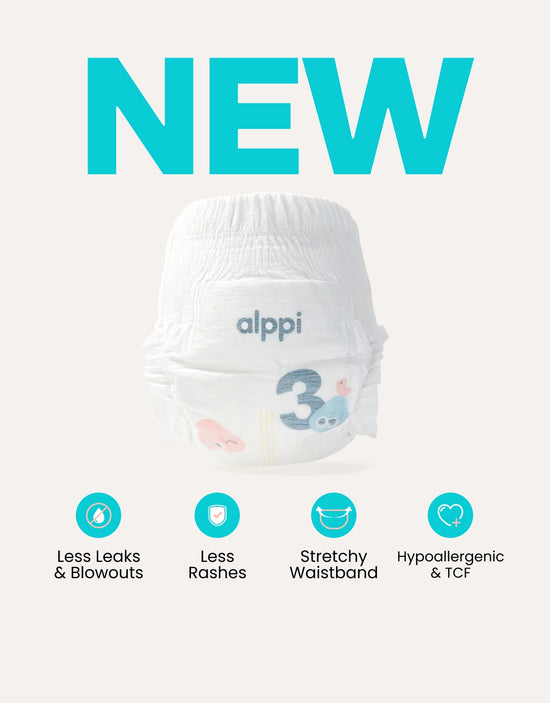
The Alppi Training Pants hit every key feature that makes the best training pants for toddlers genuinely effective: cloud-soft materials, a true pull-up feel, hypoallergenic fabrics, and the right level of absorbency to support learning without hiding wetness completely. Available in three convenient formats to match where you are in the training journey.
Training Pants Monthly Box
The best value option for the full active training period. Cloud-soft, pull-up style, and gentle on sensitive skin. Stock up and stay consistent through the whole journey.

Training Pants Weekly Bag
A flexible weekly supply, ideal for trying Alppi Training Pants before committing to a full month, or for managing the final weeks of training as accidents become rare.

Training Pants Bundles
Stock up and save. Always have a clean pair ready because the training phase rarely gives you advance notice of when the next accident will arrive.
How to Choose the Best Training Pants for Toddlers by Stage
Your child's potty training stage should guide your choice. What works well in week one is often not what works best in month three. The right training pants evolve with your toddler's progress.
Early potty training stage
In the beginning, accidents happen frequently and often with little warning. Choose training pants with slightly higher absorbency and the easiest possible pull-down design. Focus energy on frequent potty breaks, positive reinforcement, and quick calm changes. Overnight diapers and nap diapers are still the right choice at this stage.
Middle stage of potty training
Your toddler understands the routine but still has occasional accidents, often due to getting distracted during play. Moderate absorbency and strong leak protection around the legs are most useful here. Encourage independent bathroom trips without being asked, and celebrate every successful solo attempt without making dry days feel like pressure.
Almost fully trained
When accidents are genuinely rare, lighter training pants or even regular underwear may be enough for confident days at home. Keep a pair of training pants in the bag for outings and unpredictable days until you have several weeks of consistent dryness. This is when confidence really accelerates.
Common Mistakes When Choosing Training Pants for Toddlers
Small mistakes in product choice can slow progress noticeably. Knowing what to avoid keeps training moving in the right direction without unnecessary setbacks.
| Common Mistake | Why It Slows Progress | Better Approach |
|---|---|---|
| Choosing diaper-level absorbency | Child never feels wet and loses the body awareness signal that drives learning | Choose moderate absorbency that catches accidents without hiding wetness |
| Ignoring proper sizing | Poor fit causes frequent leaks regardless of absorbency quality | Always check weight charts and look for leg gaps during active movement |
| Switching back and forth too often | Inconsistency confuses the routine and delays the habit from forming | Keep training pants for daytime, diapers for overnight, and stick to it |
| Starting before readiness signs appear | Training without readiness creates resistance that extends the whole timeline | Wait for consistent dry periods, communication, and toilet curiosity |
Signs You May Have Started Too Early
- Your toddler shows no awareness of being wet or dirty after accidents
- They resist or cry when asked to sit on the potty consistently
- There has been no dry period of two or more hours at any point during the day
- They have shown no curiosity about the toilet or interest in underwear
Overnight Protection While Daytime Training Progresses
Most toddlers need reliable overnight diapers throughout the training period and often long after daytime training is complete. Alppi Wispy Cloud Diapers are breathable, absorbent, and gentle enough for extended overnight wear without irritating sensitive skin.

Wispy Cloud Diaper Monthly Box
Cloud-soft overnight protection for toddlers in active daytime training. The monthly box keeps you fully stocked without constant reordering.

Wispy Cloud Diaper Bundles
Stock up on overnight diapers at a saving. Ideal for managing the full training window when both diapers and training pants are running simultaneously.
Do Training Pants Actually Work for Potty Training?
Training pants support potty training significantly, but they are not magic on their own. They work best when combined with a consistent potty routine, regular bathroom trips, genuine encouragement, and calm reactions to accidents. The training pants create the conditions for learning, but consistency and routine are what produce the actual results.
They help toddlers feel more independent and more aware of their bodies, both of which accelerate progress. But a toddler wearing the best training pants in the world without a steady routine will still take longer than a toddler with a slightly less impressive pair and a rock-solid schedule.
Cost of the Best Training Pants for Toddlers

Training pants can add up over a period of weeks to months, especially when both training pants and overnight diapers are running at the same time. Understanding the cost landscape helps you plan smartly and avoid running out at the worst possible moment.
| Option | Upfront Cost | Long-Term Cost | Best For |
|---|---|---|---|
| Disposable training pants monthly box | Moderate | Lower per unit with subscription or bundle | Busy families who want convenience and reliability |
| Disposable training pants weekly bag | Low | Higher per unit but easy to scale down as training progresses | Early training or testing a new brand before committing |
| Reusable cloth training pants | Higher per piece | Lowest over time with multiple washes | Eco-conscious families training primarily at home |
| Disposable bundles or multi-packs | Higher upfront | Better per-unit value, fewer reorder interruptions | Families mid-training who want to stay stocked without thinking about it |
Stocking up with bundles before the active training period begins is one of the most practical moves you can make. Running out of training pants on day three of a focused training push is the kind of disruption that sets routines back more than the cost saving was worth.
Gentle Wipes and Sensitive Skin Diapers to Complete the Kit
Training involves a lot of changes, both successful potty trips and accidents. Having the right wipes and skin-safe overnight diapers on hand keeps the whole process comfortable and irritation-free for sensitive toddler skin.
Wispy Duo Wipes (Dry)
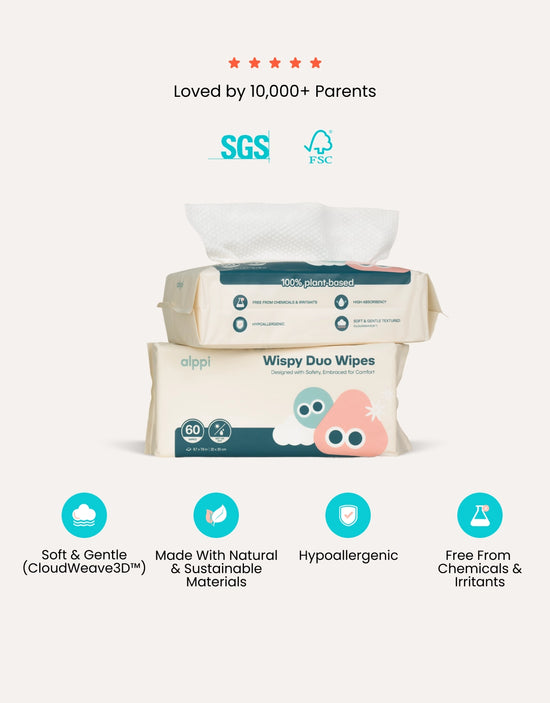
Use wet or dry. Hypoallergenic, alcohol-free, and dermatologist-tested. Gentle enough for the very frequent cleanups that come with active potty training at every stage.

Alppi Rash-Free Diapers
Designed for delicate skin and extended overnight wear. Ideal for toddlers in training who need a diaper that protects skin through long uninterrupted nights.
Stay Stocked Through Every Stage of Training
Training pants for daytime independence, overnight diapers for reliable sleep protection, and gentle wipes for every change in between. Delivered to your door on your schedule.
Manage Your SubscriptionWhy Parents Choose Alppi Baby for Potty Training
At Alppi Baby, every product is designed to give your child comfort that feels like a cloud and give you peace of mind through every stage of early childhood. Training pants, diapers, and wipes are hypoallergenic, dermatologist-tested, and made with eco-conscious materials, so you feel good about what touches your toddler's skin every day during a process that involves a lot of contact.
See what goes into every product on the Safety and Certifications page, or read what real families think on the Reviews page.
A Low-Commitment Way to Start

Alppi Newborn Special
A curated starter set at a great price. A practical way to try Alppi Baby diapers and wipes before committing to a full training supply order.

Wispy Cloud Diaper Weekly Bag
A flexible weekly diaper supply that is easy to scale down as overnight diaper needs gradually decrease through the final weeks of training.


