

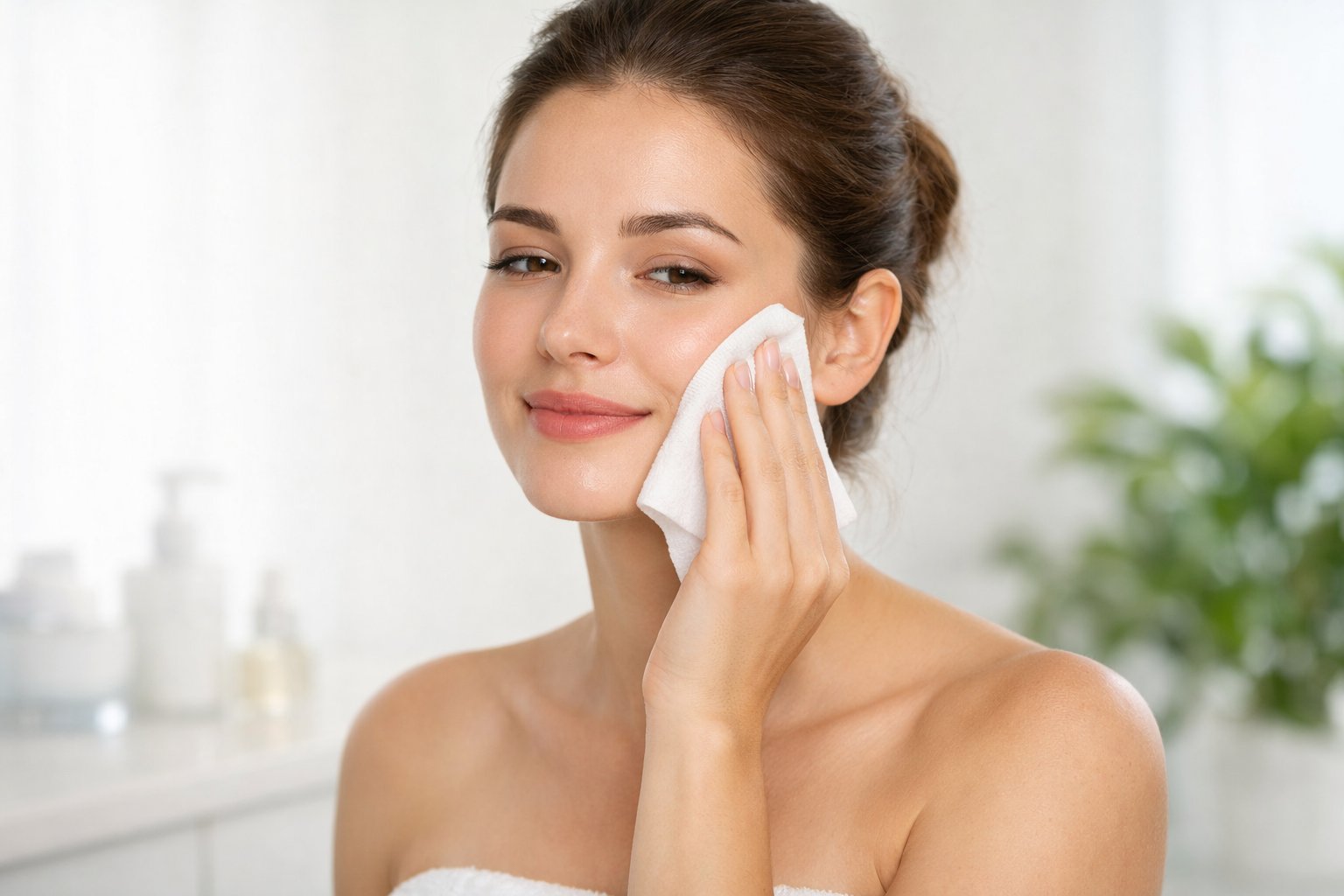
You’ve probably asked yourself: can you use baby wipes on your face when you’re tired, busy, or out of cleanser? They feel gentle, smell clean, and seem safe enough. But face skin has different needs than baby skin, and that matters more than most people think.
The no-ingredient option: Alppi dry wipes (pure cloth, add your own water), 2 packs for the price of 1, 120 wipes, $7.50.
Get the offerYou can use baby wipes on your face once in a while, but they are not a good choice for daily use. Many baby wipes clean fast but do not rinse away dirt, oil, or makeup fully. Some formulas can dry your skin or cause redness, especially if you have acne or sensitive skin.
This topic goes beyond a simple yes or no. Ingredients, skin type, risks, and better options all play a role. Knowing the difference helps you protect your skin and avoid problems that show up later.
For ultra-gentle daily cleaning, discover our dry baby wipes collection designed for sensitive skin and versatile use.
Can You Use Baby Wipes On Your Face?

You can use baby wipes on your face in some cases, but they are not made for daily facial cleansing. The details matter, like ingredients, skin type, and how often you use them.
How Baby Wipes Differ From Facial Wipes
Baby wipes and facial wipes serve different jobs. Baby wipes focus on quick cleanup and comfort, not deep skin care.
Baby wipes often include gentle cleaners made for a baby’s bottom. Facial wipes target oil, sweat, makeup, and sunscreen on facial skin. This difference matters for your pores and skin barrier.
Key differences at a glance:
|
Feature |
Baby Wipes |
Facial Wipes |
|
Main use |
Diaper cleanup |
Face cleansing |
|
Oil removal |
Low |
Medium to high |
|
Skin benefits |
Basic comfort |
Cleansing, balance |
|
Dermatology testing |
For babies |
For facial skin |
Using baby wipes on face skin may leave residue behind. That residue can clog pores over time.
When Baby Wipes Are Safe For Facial Use
You can use baby wipes on face skin for short-term needs. Think travel days, the gym, or quick sweat cleanup.
Choose wipes labeled fragrance-free, alcohol-free, and for sensitive skin. Fewer ingredients lower the risk of stinging or redness. Wet wipes with plain water and mild cleansers work best.
Baby wipes can help when you cannot wash your face. They remove surface dirt and sweat. They do not replace a proper facial cleansing routine.
Use a gentle patting motion. Do not scrub. Follow with water or a light moisturizer when you can.
Situations Where Baby Wipes Should Be Avoided
Avoid baby wipes if you have acne, eczema, or rosacea. These skin types react fast to leftover cleansers.
Do not use baby wipes to remove heavy makeup or sunscreen. Rubbing harder can irritate facial skin and cause breakouts.
Skip daily use. Frequent use can strip natural oils and weaken your skin barrier.
Also avoid wipes with strong scents or preservatives. If your skin feels tight, itchy, or warm after use, stop right away and switch to a facial cleanser made for your skin.
To compare options and understand formulation differences, read our article Water Wipes vs Baby Wipes: What’s Best for Your Baby’s Skin? for a detailed breakdown.
Ingredients In Baby Wipes And Their Impact On Skin

Baby wipes ingredients look simple, but each one affects your face in a different way. Some help clean and hydrate, while others raise the risk of dryness or irritation.
Cleansing Agents And Surfactants
Cleansing agents and surfactants do the actual cleaning. They lift dirt, oil, and makeup from your skin so the wipe can remove it. Most baby wipes use mild surfactants because baby skin is thin and sensitive.
Common surfactants include coco-glucoside and polysorbates. These come from plant sources and clean with less sting than strong soaps. They work well for light messes, sweat, and surface oil.
Even gentle surfactants can cause issues if you use wipes on your face every day. They can weaken your skin barrier over time. This may leave your skin tight or dry, especially if you already have sensitive skin.
- Mild does not mean risk-free
- Frequent use increases dryness
- Rinsing after use lowers irritation
Moisturizers And Humectants
Many wipes ingredients add moisture to balance the cleansing step. Humectants pull water into your skin and help prevent that dry, squeaky feeling.
You often see glycerin, aloe vera, and vitamin E on the label. Glycerin holds water in your skin. Aloe vera can calm redness. Vitamin E supports the skin barrier and adds slip.
These ingredients help wipes feel soft and smooth. They matter most if you use baby wipes on your face during travel or after workouts.
Natural ingredients sound gentle, but they still vary in strength. Aloe and plant oils can soothe one person and bother another.
|
Ingredient |
What it does |
|
Glycerin |
Draws water into skin |
|
Aloe vera |
Soothes and cools |
|
Vitamin E |
Supports skin barrier |
Fragrances, Preservatives, And Potential Irritants
Fragrances and preservatives protect wipes but cause the most problems for facial skin. Fragrances often trigger redness, stinging, or breakouts, even if they smell light or “clean.”
Preservatives stop bacteria and mold from growing in moist wipes. Phenoxyethanol is common and safe in low amounts, but it can irritate very sensitive skin. Some wipes may also include phthalates through fragrance blends.
If you use wipes on your face, choose options labeled fragrance-free. This means no scent at all, not just unscented.
- Fragrance or parfum
- Phenoxyethanol if your skin reacts easily
- Long ingredient lists with vague names
To avoid irritation and messes, explore our leak proof diapers collection that complements a clean, worry-free routine.
Benefits And Risks Of Using Baby Wipes On Your Face

Baby wipes feel easy and fast, but your face has different needs than baby skin. You get some quick benefits, yet real risks show up with regular use, especially if your skin reacts easily.
Gentle Cleansing And Convenience
Baby wipes offer gentle cleansing when you need a quick refresh. You can use them after the gym, during travel, or late at night. They remove surface dirt, sweat, and oil without water.
The biggest draw is convenience. You grab one wipe, clean your face, and toss it. No sink. No towels. That makes baby wipes tempting when life feels busy.
Still, wipes clean only the top layer of skin. They do not rinse away dirt. Rubbing can also spread oil and bacteria across your face, which matters if you have acne-prone skin.
- Short trips or flights
- Quick sweat cleanup
- Emergency face cleaning
Moisturizing Effects And Makeup Removal
Many baby wipes contain aloe or vitamin E. These add slip and help prevent that tight skin right after use. That can feel nice if your skin feels dry.
You can also use baby wipes to remove makeup. They lift light makeup like tinted moisturizer or powder. Some people swap them for makeup remover wipes in a pinch.
Heavy makeup needs more care. Baby wipes struggle with waterproof mascara and long-wear foundation. Rubbing harder can irritate skin and leave makeup behind.
|
Task |
Baby Wipes |
Makeup Remover |
|
Light makeup |
Works |
Works |
|
Heavy makeup |
Poor |
Better |
|
Deep clean |
No |
Yes |
Potential Reactions And Skin Concerns
Baby wipes can trigger skin irritation, even if they feel gentle. Fragrance, preservatives, and rubbing all raise risk. Some people develop allergic reactions or contact dermatitis after repeat use.
Wipes may also leave residue. That film can clogged pores and lead to breakouts. This risk increases for oily or acne-prone skin.
Using wipes every day can strip natural oils. Skin may turn red, dry, or bumpy over time. If you notice itching or burning, stop using them and switch to a mild facial cleanser.
Learn how skin sensitivity plays a role in diapering by reading Best Diapers for Sensitive Skin: Keep Baby Dry and Happy.
Baby Wipes Versus Facial Cleansers And Alternatives

You want clean skin that feels fresh, not tight or irritated. Baby wipes can help in a pinch, but facial cleansing products work better for daily care.
Comparison With Facial Cleansing Products
Baby wipes clean the surface of your skin. They remove sweat, light dirt, and some makeup. Most do not support deep cleansing, so oil and sunscreen can stay behind.
A facial cleanser works with water to break down oil and grime. Many formulas include antioxidants or hyaluronic acid to support skin health. Some also offer mild exfoliating properties to smooth rough spots.
Quick comparison
|
Feature |
Baby Wipes |
Facial Cleansers |
|
Cleaning power |
Light |
Deep |
|
Rinse needed |
No |
Yes |
|
Skin benefits |
Limited |
Targeted |
|
Best use |
Short-term |
Daily use |
Micellar water sits in between. It lifts dirt without rinsing and suits travel or late nights.
Best Practices For Safe Use
Use baby wipes only when you lack water or time. Do not scrub. Wipe gently to avoid redness and dryness.
Choose fragrance-free wipes and avoid alcohol. These lower the risk of stinging or breakouts. Natural baby wipes with fewer additives can feel softer, but they do not replace a cleanser.
Limit use to once in a while. If your skin feels tight after wiping, rinse later and apply moisturizer. Skip wipes if you use heavy makeup or waterproof sunscreen. Those need proper cleansing.
Watch your skin. Stop if you see itching, bumps, or burning.
Choosing The Right Facial Wipe Or Cleanser
Pick products made for your face, not babies. Look for labels that match your skin type.
What to look for
- Dry skin: creamy cleanser, hyaluronic acid
- Oily skin: gel cleanser, light foaming
- Sensitive skin: fragrance-free, low ingredient list
- On-the-go: micellar water wipes or liquid
Avoid harsh toners with strong alcohol.
If you use wipes, choose facial wipes with simple formulas. Use them as a backup, not a habit.
If your baby has extra-sensitive skin, browse our non-toxic baby wipes collection made without harsh chemicals.
Gentle Wipes for Everyday Use — Alppi Baby

When choosing wipes for daily hygiene, ingredient quality matters. Alppi Baby Wispy Duo Wipes are designed to be gentle, with a soft texture and a simple formula that works for quick cleanups. They’re safe for babies, making them suitable for sensitive skin needs across ages.
While facial cleansers are best for regular face washing, having a gentle wipe option on hand can be helpful for travel, busy days, or light freshening without harsh ingredients.
Wrap Up
Baby wipes can be helpful in a pinch, but they are not designed for everyday facial care. While they remove surface dirt and sweat, they often leave residue behind and may irritate sensitive or acne‑prone skin with repeated use. Ingredients like fragrance and preservatives can also affect the skin barrier over time.
For best results, use baby wipes only occasionally and avoid scrubbing. A facial cleanser made for your skin type remains the safest choice for daily cleansing. Paying attention to how your skin reacts helps you decide when convenience is worth it—and when it is not.
For expert recommendations on gentle formulas, explore Best Non-Toxic Baby Wipes Guide: What to Buy and Avoid to make safer choices for face and body.
Frequently Asked Questions
Are baby wipes safe for all skin types when used on the face?
Baby wipes are not safe for every skin type. Many people with sensitive skin, acne, eczema, or rosacea notice redness or stinging after use.
Some wipes contain fragrance or preservatives that irritate facial skin. Even gentle wipes can cause dryness if you use them often.
Is it okay to use baby wipes to remove makeup?
Baby wipes can remove light makeup, sweat, and dirt. They struggle with heavy makeup like waterproof mascara or long-wear foundation.
Rubbing harder to remove makeup can irritate your skin. This friction can damage your skin barrier over time.
What are the benefits of using baby wipes on my face?
Baby wipes feel convenient when you need a fast clean. They work well after the gym, during travel, or for late nights.
They are soft and easy to find. Many wipes are water-based, which feels gentle at first touch.
Will using baby wipes on my face cause acne or clogged pores?
Baby wipes can leave residue on your skin. This film may trap oil, dirt, and bacteria.
Over time, this buildup can trigger breakouts. The risk rises if you already get acne or have oily skin.
Can I substitute baby wipes for my regular facial cleansing routine?
Baby wipes should not replace a daily face wash. They clean the surface but do not rinse away oils or residue.
A proper cleanser removes dirt more fully. Wipes work best as an occasional backup, not a habit.
Are there any specific ingredients in baby wipes I should avoid for facial use?
Avoid wipes with fragrance, alcohol, or strong preservatives like methylisothiazolinone. These ingredients can irritate the face.
Choose wipes labeled fragrance-free and hypoallergenic if you need to use them. Limit how often you use them.


