


It is one of the biggest decisions new parents face. Cloth diapers vs disposable.
The truth is that both have changed a lot in the last decade. Cloth is no longer just safety pins, rubber pants, and boiling water.
Disposables are no longer just thick plastic bricks that rustle when the baby walks. Today, both options offer high-tech features designed to keep your baby comfortable.
Making the right choice depends on your specific budget, your lifestyle, and your laundry tolerance. It is not just about money. It is about how you want to spend your time.
In this comprehensive guide, we will break down every single pro and con so you can decide what is best for your family.
The Quick Summary:
Which diaper system wins? There is no single "perfect" choice, but here is the quick breakdown to help you decide based on your priorities:
- Cost: Cloth diapers are cheaper in the long run if you reuse them for multiple children. However, they require a high upfront cost of over $300. Disposables cost more over time but have a much lower weekly cost.
- Convenience: Disposables win on ease. You just toss them away. Cloth requires daily laundry, scraping solid waste, and stuffing absorbent inserts.
- Environment: It is complicated. Disposables create physical landfill waste. Cloth uses significant water, electricity, and detergents for years of washing.
- Performance: Modern disposables generally offer higher absorbency and stay dry longer. This reduces the risk of diaper rash compared to wet cloth sitting against the skin.
👶🏻Diapers & Wipes You May Want to Shop
Explore More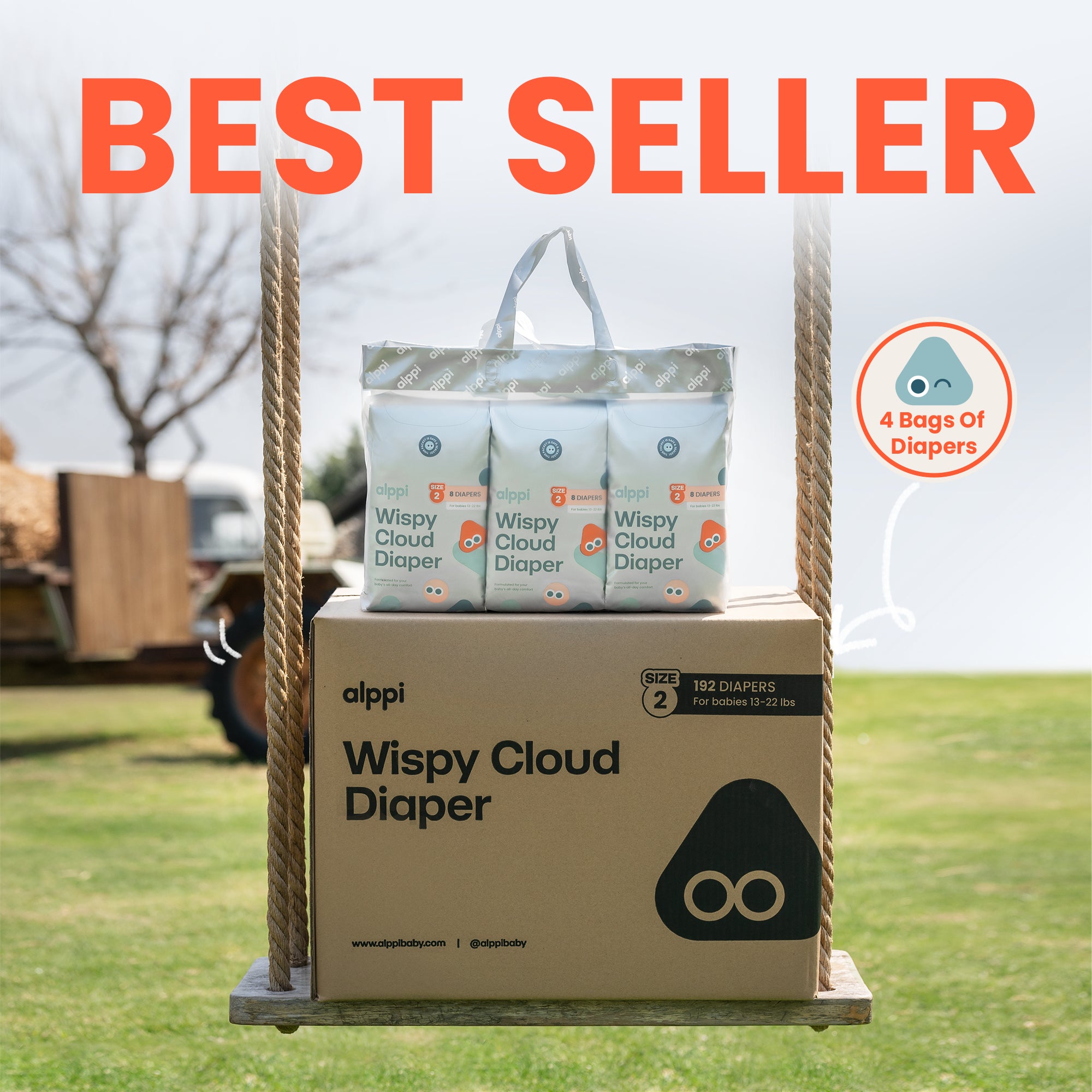


Cloth Diapers vs. Disposable Diapers: The Cost Breakdown
Money is often the biggest factor for new parents. When you look at the price tag of a single pack of diapers, it seems cheap.
When you look at a cloth starter kit, it looks incredibly expensive. But you have to look at the total picture over three years.
Cloth Diapers: The Investment
Cloth requires a significant upfront investment. To diaper a baby full-time without running the washing machine every single day, you need roughly 24 to 30 diapers.
- Initial Cost: A full stash can cost anywhere from $300 for budget brands to over $800 for premium systems. If you choose "sized" diapers rather than "one-size-fits-all," you will have to buy new stashes as the baby grows.
- Hidden Costs: The diaper price is not the only cost. You also need to factor in water bills, electricity for the dryer, and high-quality detergent. You will likely do 2 to 3 extra loads of laundry per week for roughly 2.5 years.
- Resale Value: One major benefit of cloth is that you can sell them. If you keep your diapers in good condition, you can sell them on secondhand marketplaces for 30% to 50% of what you paid. This brings the total cost down significantly.
Disposable Diapers: The Monthly Bill
Disposables have a very low barrier to entry. You just buy a pack when you need it. This makes them much easier for families who cannot afford a $500 lump sum payment before the baby arrives.
- Ongoing Cost: An average baby uses about 2,500 to 3,000 diapers in the first year alone. (If you are wondering how that adds up, check out our guide on how many newborn diapers do I need to see the real numbers.)
- Total: Over 2.5 years, parents typically spend between $2,000 and $3,000 on disposables. This price varies depending on whether you buy generic brands or premium eco-friendly options.
- Saving Tip: You can significantly lower this cost by buying in bulk. Check out our bulk diapers collection to see how stocking up saves money.
Winner: Cloth is cheaper long-term, especially if used for a second child. Disposables are easier on the monthly cash flow.
Performance and Absorbency: Cloth vs. Disposable Diapers
At the end of the day, a diaper has one job. It needs to hold waste. If it leaks, it does not matter how cheap or eco-friendly it is.
The Science of Staying Dry
Disposable diapers contain Super Absorbent Polymers (SAP). These are tiny beads mixed into the fluff pulp core.
When liquid hits them, they absorb it and turn it into a gel. This locks moisture away from the baby's skin.
Even if the baby sits down, the liquid cannot be squeezed back out. This technology is why disposables are often considered leak-proof diapers.
👉 If you are curious about how this works, read our article on what are diapers made of.
The "Wetness" of Cloth
Cloth diapers rely on layers of physical fabric like cotton, bamboo, microfiber, or hemp to absorb liquid. They work like a sponge.
They get wet, and they stay wet. The liquid sits against the baby's skin until you change them.
- Compression Leaks: Because cloth works like a sponge, liquid can be squeezed out. If a toddler with a wet cloth diaper sits down hard on the floor, the pressure can push the urine out onto their clothes.
- The Fix: You have to change cloth diapers much more frequently. While a disposable might last 3 to 4 hours, a cloth diaper usually needs changing every 90 minutes to 2 hours to keep the skin healthy.
For high-volume needs, like overnight sleep or long car rides, disposables usually outperform cloth because they hold more volume without leaking.
Environmental Impact of Cloth and Disposable Diapers

This is usually the main reason parents choose cloth. But the environmental impact is not as black-and-white as it seems. It is a trade-off between physical waste and resource consumption.
The Disposable Impact
Standard disposable diapers end up in landfills. They take hundreds of years to decompose. This generates a massive amount of physical waste. In the US alone, billions of diapers are thrown away every year. This is a valid concern for eco-conscious parents.
- The Modern Solution: However, modern eco-conscious brands (like Alppi) are changing this narrative. By using Totally Chlorine Free (TCF) wood pulp and sustainable materials, we reduce the chemical load on the environment.
The Cloth Impact
Cloth diapers do not create landfill waste, but they have a massive carbon footprint in other ways.
- Water Consumption: You are washing thousands of loads of heavy laundry using hot water. This uses a staggering amount of water over three years.
- Energy Usage: Manufacturing cotton is extremely water-intensive. Growing the crops requires vast resources. Furthermore, running dryers for thick inserts uses a lot of electricity.
- Chemical Output: To get human waste out of fabric effectively, you often need heavy-duty detergents and bleach cycles. These chemicals eventually wash out into the water system.
📌 The Verdict: If you live in a drought-prone area where water is scarce, disposables might actually be the more eco-friendly choice. If you live where water is plentiful but landfill space is tight, cloth wins.
Skin Health and Diaper Rash
Your baby wears a diaper 24 hours a day. The material touching their skin matters more than almost anything else.
Disposable Diapers and Skin
The biggest advantage of disposables is dryness. By wicking moisture away instantly, they keep the skin dry. Moisture is the number one cause of diaper rash because it breaks down the skin barrier and allows bacteria to enter.
For babies with eczema or extreme sensitivity, a hypoallergenic disposable is often the safest bet because it keeps the skin pH balanced.
👉 Check our guide on the best diapers for sensitive skin to understand what to look for.
Cloth Diapers and Skin
Many parents switch to cloth because they worry about chemicals. It is true that cheap diapers use fragrances that irritate skin.
However, cloth can also cause significant skin issues.
- Moisture Rash: Because the fabric stays wet, the baby's skin is constantly damp. This can lead to a red, bumpy rash.
- Ammonia Burn: If cloth diapers are not washed perfectly, bacteria and ammonia build up deep in the fabric fibers. When the baby pees, it reactivates this ammonia, causing a severe chemical burn on the skin. This requires a complex "stripping" process to fix.
- Detergent Build-up: Residue from laundry detergent can get trapped in the cloth fibers and irritate sensitive skin.
👉 Read our Guide: Types Of Diaper Rash Pictures And How To Identify Them.
Convenience and Lifestyle of 2 Types of Diapers (Cloth vs. Disposable)
This is often called the "sanity factor." How much time do you want to spend managing diapers?
The Cloth Lifestyle
Cloth diapering is a lifestyle commitment. It impacts your daily routine significantly.
- The Changing Process: You take off the dirty diaper. If there is solid waste, you cannot put it in the washing machine. You must knock the solids into the toilet. Many parents install a high-pressure sprayer on their toilet to rinse the diaper.
- The Storage: You place the wet, rinsed diaper in a "wet bag" or pail liner. You have to store this pail in your house until wash day.
- The Laundry: Every 2 to 3 days, you run a wash cycle. A proper routine usually involves a cold pre-wash to rinse urine, followed by a hot heavy-duty wash with detergent. Then you have to dry them.
- The Stuffing: Once dry, many cloth diapers (like pocket styles) require you to manually stuff the absorbent inserts back into the pockets before they are ready to use.
- Daycare: Many daycares will not accept cloth diapers. Others require you to bring a fresh bag every day and take the dirty bag home to wash yourself.
The Disposable Lifestyle
- The Process: You take it off. You throw it away. You put a new one on. It takes 30 seconds.
- Travel: Disposables are infinitely easier for traveling. You do not want to carry a bag of dirty, smelling diapers around a theme park or keep them in your luggage on a plane ride.
- Fit: Disposables are trimmer. Cloth diapers can be very bulky, which means you might need to buy pants a size larger to fit over the "fluff butt."
Understanding Types of Cloth Diapers

If you do choose cloth, you need to know that not all of them are the same. This can be confusing for beginners.
- Prefolds and Covers: This is the old-school style. It is a rectangular piece of cotton (prefold) that you fold around the baby and secure with a fastener. You then put a waterproof cover over it. It is the cheapest option but the hardest to master.
- Pocket Diapers: These have a waterproof outer layer and a soft inner pocket. You stuff an absorbent insert inside the pocket. They dry quickly but require assembly after every wash.
- All-In-Ones (AIO): These are the closest to disposables. The absorbent layers are sewn into the waterproof shell. You just put it on and take it off. They are the easiest to use but the most expensive and take the longest to dry.
The Hybrid Approach
You do not have to pick just one side. Many families do what is called "Part-Time Cloth."
This approach allows you to get the benefits of both systems while minimizing the downsides.
- Daytime Cloth: Use cloth diapers at home during the day when you are close to the washing machine and can change the baby frequently.
- Nighttime Disposables: Use a high-quality disposable at night. This ensures everyone sleeps for 10 hours without leaks or needing a change.
- Travel Disposables: Keep a pack of disposables for vacations, long car rides, and daycare days.
This strikes a perfect balance. You reduce your landfill waste by 50% compared to full-time disposable use.
But you keep the convenience when you need it most. For those critical early weeks, most parents stick to disposables because newborns go through 10 to 12 changes a day.
👉 See our recommendations for the best diapers for newborns to survive the first month.
Conclusion
Choosing between cloth and disposable diapers is not about being a "better" parent. It is about finding what works for your reality.
If you are passionate about reducing plastic waste and do not mind the extra laundry, cloth is a wonderful option that can save you money. If you need maximum convenience, superior absorbency, and a simple routine, high-quality disposables are the winner.
The most important thing is that your baby is clean, dry, and happy. Do not be afraid to mix and match until you find your groove.
Ready to stock up on essentials?
- Shop Bulk Diapers – Save money by buying in bulk.
- Shop Baby Diapers – Premium comfort for active babies.
- Shop Newborn Diapers – Gentle protection for the first weeks.
- Shop Leak-Proof Diapers – For dry nights and happy mornings.
FAQs About Cloth Diapers vs. Disposable Diapers
Do cloth diapers really save money?
Yes, they usually save money if you use them for the full 2 to 3 years a child is in diapers. The savings are even bigger if you reuse the same stash for a second child. However, if you buy expensive designer cloth diapers and give up after 6 months, you will lose money compared to buying disposables. You also need to calculate the cost of water, detergent, and energy, which eats into the savings.
Are cloth diapers better than disposable diapers?
Cloth diapers are not better or worse for every family. They can be reusable and reduce waste, which some parents prefer. Disposable diapers are more convenient and easier for travel or daycare. The best choice depends on your baby’s needs and your daily routine.
Do doctors recommend cloth diapers?
Doctors do not usually recommend one diaper type over the other. Both cloth and disposable diapers are considered safe when used correctly. What matters most is keeping the diaper area clean and dry. Frequent diaper changes help prevent rashes with any diaper type.
What are the disadvantages of cloth diapers?
Cloth diapers require regular washing and extra care. They can be less absorbent than disposables if not changed often. Some parents find them less convenient outside the home. Poor washing habits can also lead to odor or skin irritation.
How many hours can a baby wear a cloth diaper?
A baby should usually wear a cloth diaper for about 2 hours. Cloth diapers need more frequent changes because they hold less moisture. Newborns may need changes even more often. Checking the diaper often helps keep the skin healthy.
Are cloth diapers healthier for babies?
Cloth diapers can be gentle on the skin when kept clean and dry. They allow more airflow, which may reduce moisture buildup. However, disposable diapers are also safe and well-tested. Diaper health depends more on frequent changes than the diaper type.
Which diaper prevents diaper rash better?
Generally, high-quality disposable diapers like Alppi Wispy Cloud Diaper prevent rash better because they wick moisture away from the skin instantly. Cloth diapers leave wet fabric against the skin, which is the primary cause of irritation. If you use cloth, you must change it as soon as it becomes wet to prevent a rash.


