What makes a diaper good for active babies? Active babies need diapers that prioritize flexibility and fit over bulk. When a baby starts moving, standard diapers often fail because they cannot adapt to changing body shapes.
To prevent leaks, look for:
- 360-Degree Stretchy Waistband: This ensures the diaper expands when the baby sits and contracts when they stand.
- High-Speed Absorbency: Liquid must be locked away instantly to prevent "compression leaks" when a baby falls or sits.
- Low-Profile Core: An ultra-thin design prevents "waddle" and allows legs to move freely. This combination prevents the diaper from sagging during crawling and climbing, which is the number one cause of leaks in mobile infants.
Why Regular Diapers Fail When Baby Starts Moving
It is a common scenario. You put a fresh diaper on your child. It looks secure. Then your baby crawls across the room to grab a toy.
When you pick them up five minutes later, the diaper is hanging halfway down their knees, or there is a giant gap at the waist. Why does this happen?
Standard diapers are often designed with a focus on "static absorption." They assume the baby will be lying on their back or sitting relatively still. However, an active baby is a shapeshifter.
The Physics of the "Diaper Gap"
Think about what happens to your own stomach when you sit down versus when you stand up. Your waist expands and contracts. The same thing happens to your baby, but to a much greater degree.
- Squatting and Crawling: When a baby brings their knees to their chest to crawl, their tummy circumference expands. If the diaper waistband is rigid tape, it cuts into their skin.
- Standing and Cruising: When they stand up to cruise along furniture, their tummy contracts. If the diaper stretched out while they were sitting, it is now loose. This creates a "blowout tunnel" up the back.
The best diapers for active babies utilize advanced elastics. You need specifically designed stretchy waistbands that have "memory."
This means the material expands and snaps back instantly with every breath and movement. This dynamic fit is the only way to prevent leaks during high-energy play.
The Problem with Bulk
Have you ever tried to run wearing a thick snowsuit? It is hard to move. That is exactly what a thick, bulky diaper feels like to a toddler learning to walk.
Excessive bulk between the legs forces a baby’s legs apart in an unnatural way. This can actually affect their gait and balance, leading to the infamous "diaper waddle."
Standard diapers often use wood pulp to absorb liquid. To hold more liquid, manufacturers add more pulp, making the diaper thicker. This creates a heavy, sagging weight that drags the diaper down as soon as the baby takes a step.
- The Fix: Modern absorbent technology uses Super Absorbent Polymers (SAP) instead of just fluff pulp. This allows for diapers that are 60% thinner yet hold significantly more liquid.
👉 If you are looking for maximum capacity without the bulk, check out our guide on the most absorbent diaper options that rely on density rather than thickness.
Developmental Milestones and Diaper Needs
Different movement stages require different features. Here is what to look for based on how your baby is moving today.
The Crawler (6 to 10 Months)
Crawling is tough on diapers. Your baby is dragging their stomach and legs across carpets, tiles, and grass.
- The Challenge: Friction drag. As they drag their belly, a loose diaper gets pulled down.
- The Need: You need a high-waisted diaper with strong grip tabs. The "Soft Hook Tabs" on Alppi diapers are designed to hold fast even against friction drag. You also need a front panel that stays flat and doesn't bunch up under the tummy.
The Cruiser and Climber (9 to 14 Months)
This is the "up and down" phase. They pull up on the sofa, squat to pick up a toy, and stand again.
- The Challenge: The changing waistline. This is where the back-gap blowout usually occurs.
- The Need: Extreme elasticity. The waistband must handle hundreds of expansions and contractions an hour. This is also when "side leaks" happen during sleep because active babies often become active sleepers who roll violently in their cribs.
The Walker (12 Months +)
Walking changes the center of gravity.
- The Challenge: Chafing and sagging. As legs rub together during walking, bulky diapers cause friction burns on the inner thighs.
- The Need: An ultra-narrow crotch design. The diaper should be contoured like an hourglass, not a rectangle. This prevents the material from bunching up between the legs and causing "walker's rash."
Key Features to Look for in Diapers for Active Babies

When you are shopping, ignore the cute prints for a second and look at the specs. You want a diaper that acts like performance athletic gear.
1. 360-Degree Stretchy Waistband
Your active baby is a contortionist. The waistband needs to hug them like a second skin. Do not settle for diapers that only have a small elastic strip at the back. You want a stretch that goes all the way around the sides.
Look for "soft hook tabs" that secure firmly but offer give. This prevents red marks and ensures the diaper stays up even when it is full.
A good test is to slide one finger inside the waistband. It should feel snug but not tight, and it should move with your finger.
2. Friction-Free Materials (Preventing "Walker’s Rash")
Active babies create friction. The constant rubbing of diaper cuffs against moving thighs is a recipe for disaster. This leads to a specific type of irritation known as "walker's rash," which looks like red, angry chafing on the inner thighs.
The best diapers for active babies are made from hypoallergenic, dermatologist-tested materials. Softness isn't just a luxury here. It is a mechanical necessity.
The material must glide over the skin rather than rub against it during repetitive motion.
3. Breathability for High-Energy Play
Movement generates heat. Think about how hot you get after a workout. An active baby generates a lot of body heat.
A plastic-backed or low-quality diaper traps sweat against the skin, creating a greenhouse effect. This warm, moist environment is the perfect breeding ground for bacteria and yeast.
You need a diaper that is at least 20% more breathable than standard brands to keep skin cool.
✨ If your baby has reacted to heat in the past, reading our guide on the best diapers for sensitive skin is a must.
4. Compression Resistance (The "Squish" Factor)
This is a feature most parents don't know about. Regular sponges release water when you squeeze them. Low-quality diapers do the same thing.
If your baby has a wet diaper and then falls firmly on their bottom (which happens frequently when learning to walk), that pressure can squeeze liquid back onto their skin or onto their clothes.
High-quality active diapers use SAP that locks liquid in a gel form. Once it is absorbed, it cannot be squeezed back out, even under the pressure of a sitting toddler.
Diaper Tape vs. Diaper Pants for Active Babies
Parents often ask us if they should switch to "diaper pants" (pull-ups) as soon as their baby starts walking. The answer is not always yes.
Diaper Pants:
- Pros: Easy to pull up if your baby refuses to lie down. Good for potty training readiness.
- Cons: You cannot adjust the waistband. If your baby has a skinny waist and chubby thighs (or vice versa), pants might not fit securely. You have to take off all their trousers and shoes to change them.
Tape Diapers (The Alppi Approach):
- Pros: Complete customization. You can angle the tabs down for a smaller waist or up for a larger tummy. You can change a diaper without removing trousers and shoes (a huge bonus in winter or public parks).
- Cons: You have to get the baby to hold still for 10 seconds.
For most active babies under 2 years old, a high-stretch tape diaper like the Wispy Cloud offers a better, more leak-proof fit than generic pants because you can tighten it exactly as needed.

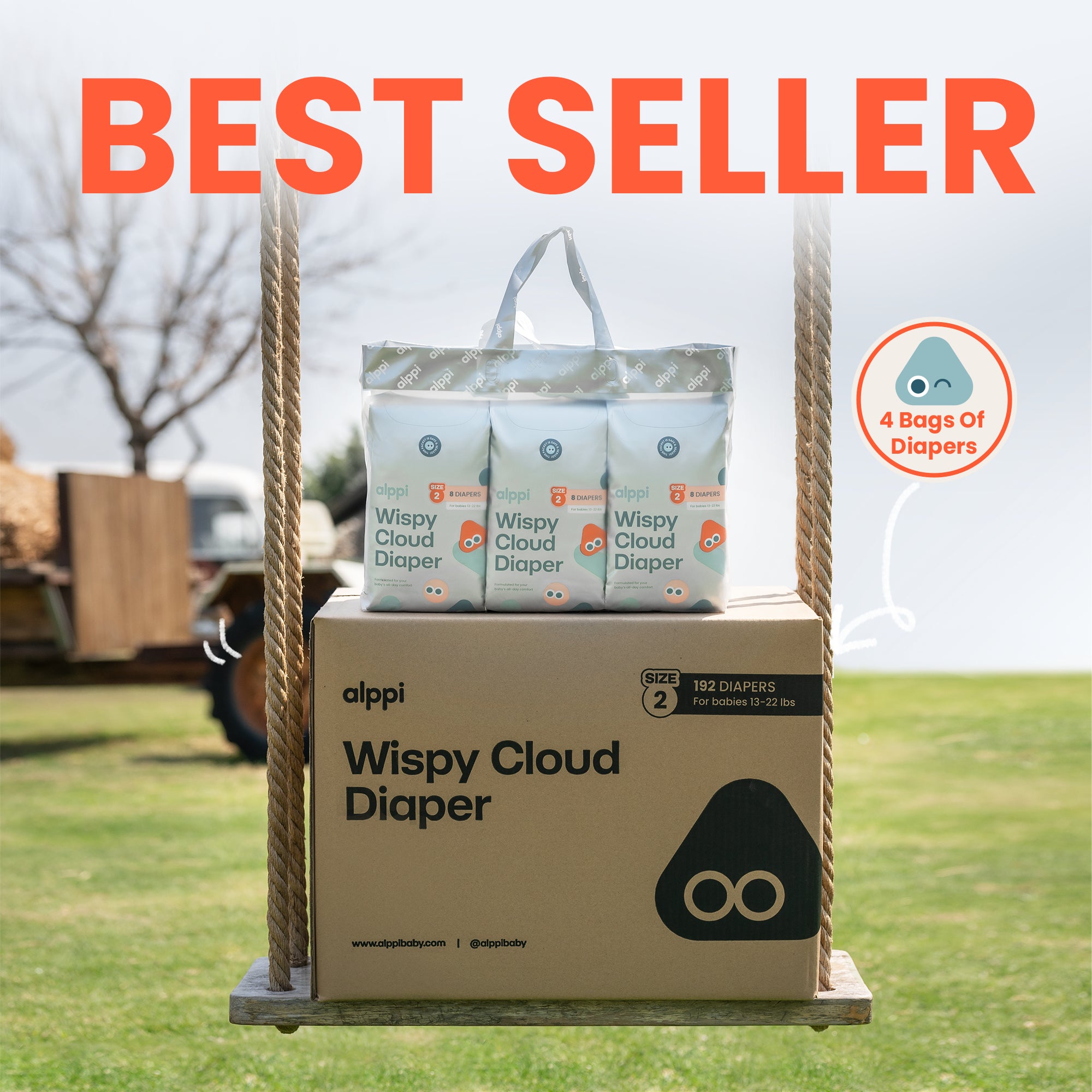
The Best Affordable Diapers for Active Babies: Meet the Alppi Wispy Cloud Diaper
Why It Wins for Active Babies:
- Moves With Them: Our signature Stretchy Waistband and Soft Hook Tabs adapt to every squat, climb, and roll. This eliminates the dreaded back gap that plagues other brands.
- Zero Bulk: It is 60% thinner than the market average. Your baby can bring their knees together to crawl or walk without any obstruction. No more waddle.
- Locked-In Dryness: Despite its thinness, it delivers 3x Absorbency and 2x Faster Absorption. Even if they are running around, the "Advanced Blowout Protection" keeps the mess secured.
- Eco-Conscious: We believe the best baby diapers should protect the planet your active baby is exploring.
✨ Pro Tip for Newborns: Even before they crawl, babies wiggle! Our best diapers for newborns feature an Umbilical Cutout Design to protect sensitive stumps while offering that same secure fit.
How to Change an Active Baby (Without Losing Your Mind)
Finding the right diaper is half the battle. Getting it on your child is the other half. Changing a crawler or walker can feel like wrestling a baby alligator. Here are three expert tips to master the moving change.
1. The Standing Change
Stop fighting them to lie down. If your baby can stand while holding onto the sofa, change them standing up.
This is where Alppi’s stretch tabs shine. You can secure the front, pull it through the legs, and fasten the tabs at the waist while they are vertical. Gravity actually helps position the diaper correctly.
2. The Distraction Toy
Keep a special basket of toys near the changing station that they only see during diaper changes.
Novelty captures attention. An old remote control (batteries removed) or a dedicated "diaper toy" can buy you the 30 seconds you need.
3. Check the Fit After They Stand
Always do a final check once they are up and moving. Run your finger around the leg cuffs to ensure the "ruffles" are pulled out. If the ruffles are tucked inside, you will have a leak within minutes.
Ensure the waistband sits just under the belly button and is snug enough that it doesn't slide down when you gently tug it.
Conclusion
Watching your baby explore the world is magical. Seeing them discover their own feet, pull themselves up for the first time, and take those brave first steps is what parenthood is all about. But cleaning up leaks is definitely not magical.
Do not let poor equipment ruin these adventures. By switching to a mobility-specific diaper—one that is thinner, stretchier, and more absorbent—you give your child the freedom to move without restriction.
You also give yourself the peace of mind to enjoy the moment without constantly checking for wet spots.
Remember, the best diapers for active babies are the ones you don't have to think about. They just work.
Ready to upgrade your playtime?
Frequently Asked Questions (FAQs)
What are the best diapers for babies that move a lot?
The best diapers for active babies are ones that fit well, stay in place, and absorb quickly. Alppi Wispy Cloud Diapers are a great choice because they are soft, flexible, and designed to move with your baby. Their secure fit helps prevent leaks when your baby crawls or plays. Parents also like that the material stays comfortable on sensitive skin.
How often should I change an Alppi Wispy Cloud Diaper for an active baby?
For an active baby, you should check the diaper every 2 to 3 hours during the day. Change it as soon as it feels wet or soiled to keep your baby comfortable. Overnight, you may be able to extend the time if the diaper is still dry. Frequent checks help prevent rashes and keep your baby happy.
Should I size up when my baby starts walking?
Not necessarily. Many parents panic and size up when leaks start, but this can actually cause more leaks. If the leg holes are too loose, liquid will escape. Instead of sizing up, look for a "active fit" diaper that is cut differently to accommodate movement. Only size up if you see deep red indentations on the thighs or if the tabs barely close at the hips.
How do I prevent diaper rash on a walking baby?
"Walker's rash" is caused by friction and heat. Ensure the diaper is ultra-thin to reduce rubbing between the legs. Also, verify the diaper is breathable and free from fragrances and lotions. Frequent changes are key, as sitting in a wet diaper while moving increases skin breakdown.
Can active movement cause diapers to sag?
Yes. Gravity and movement pull diapers down, especially when they are wet. This is why a light, thin core is essential. Heavy, pulp-based diapers sag quickly, which pulls the waistband away from the skin. A SAP-based core stays lighter even when wet, keeping the fit secure.